


Seasonal marketing is one of the easiest and the most effective ways to capture the attention of your customer and boost sales. Think about how people shop throughout the year. During summer, they look for travel essentials and outdoor products. During the festive season, they hunt for gifts and special deals. As the new year begins, they focus on goals, self-improvement, and fresh starts.
Always remember that customer’s behaviour changes with the seasons. The brands that recognise these shifts and adjust their marketing accordingly often see better engagement, more conversions, and stronger customer loyalty.
Seasonal marketing is not limited to Christmas or Black Friday. There are opportunities throughout the year if you know where to look. Let’s take a look at 20 unique seasonal marketing ideas that can help you create timely campaigns, connect with your audience, and make the most of every season.
1. Create limited-edition seasonal collections
Nothing creates excitement quite like exclusivity. Instead of promoting the same products year-round, consider launching limited-edition collections tied to specific seasons or events. These could be festive gift boxes, summer travel kits, holiday-themed packaging, or seasonal colour variations of existing products.
Customers are naturally drawn to products that feel special and temporary. When they know an item will only be available for a short time, they are more likely to purchase sooner rather than later.
2. Turn your best-selling products into seasonal bundles
Customers often appreciate convenience as much as discounts. Instead of promoting individual products, combine complementary items into seasonal product bundles. A skincare brand might create a winter hydration bundle, while a home décor store could package products together for festive entertaining.
Bundles help customers make decisions faster because they remove the guesswork. They also increase your average order value (AOV) by encouraging shoppers to purchase multiple products at once. To make these bundles stand out, use seasonal visuals and messaging that reflect the occasion.
3. Create seasonal video ads from existing product photos
Video content continues to dominate social media, but producing fresh videos for every season can be expensive and time-consuming. Fortunately, you no longer need a full production team to create seasonal marketing videos.
You can take product photos you already have and transform them into engaging seasonal video ads. A summer campaign might feature bright outdoor scenes and energetic motion effects, while a festive campaign could use warm lighting and holiday-inspired visuals.
This is where Blend can help. Instead of organising multiple photoshoots throughout the year, you can convert product images into videos. This allows you to support low-cost video production for retail brands without dramatically increasing your operational budget.
4. Build anticipation with countdown campaigns
One of the simplest ways to increase engagement is to create anticipation before a major event. Rather than launching a promotion without warning, build excitement with countdown content across your website, emails, and social media channels.
A countdown campaign gives customers a reason to return and check for updates. It also creates a sense of urgency before the promotion even begins. For example, you could start teasing a summer sale seven days in advance or reveal a new product collection one feature at a time before launch day.
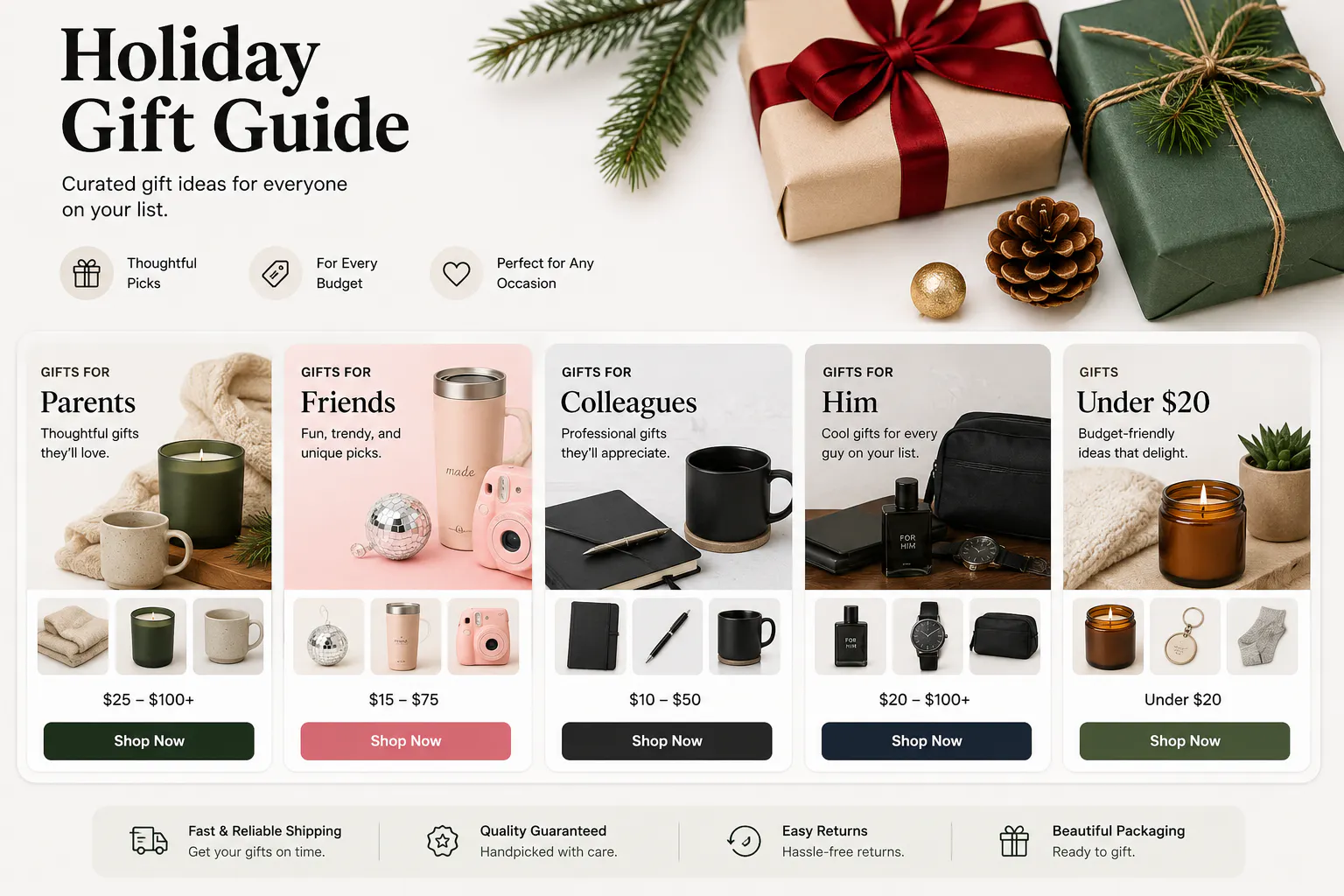
5. Create curated seasonal gift guides
Gift guides are among the most effective holiday marketing campaigns because they solve a common problem. Many shoppers know they need to buy something, but they are unsure what to choose. A well-organised gift guide removes that friction by providing curated recommendations for different audiences, budgets, or occasions.
For example, you could create gift guides for parents, friends, colleagues, or first-time customers. Not only do gift guides improve the shopping experience, but they also provide valuable content that can rank in search engines and attract targeted seasonal traffic.
6. Refresh your website with seasonal visuals
Your website should reflect what is happening in the real world. If your homepage looks the same throughout the year, you are missing a valuable opportunity to connect with customers.
Small updates can make a big difference. Seasonal banners, themed hero images, festive colours, and relevant messaging instantly make your brand feel more current. The key is to maintain consistency with your brand identity while incorporating subtle seasonal elements. You do not need a complete redesign to let customers feel like your business is active, relevant, and in tune with the season.
7. Run weather-based promotions
Weather influences buying behaviour more than many brands realise. A sudden heatwave, a rainy week, or the arrival of winter can create opportunities for timely marketing campaigns.
For example, a fashion retailer could promote summer clothing during unusually warm weather. A coffee brand might highlight hot beverages when temperatures drop. Weather-based campaigns feel relevant because they address what customers are experiencing at that exact moment. The more closely your marketing aligns with real-world conditions, the more likely people are to pay attention.
8. Launch a seasonal social media challenge
Social media marketing challenges can generate massive engagement while encouraging user-generated content. Create a challenge that aligns with the season and invite customers to participate by sharing photos or videos.
A fitness brand could launch a summer activity challenge, while a food company might encourage customers to share holiday recipes.
9. Create dedicated seasonal landing pages
Many brands direct seasonal traffic to their standard product pages, which hurts conversions. A better approach is to create dedicated landing pages designed specifically for the campaign.
Seasonal landing pages allow you to tailor messaging, visuals, offers, and product selections to the occasion. They drastically improve the user experience because customers immediately see content that matches the promotion they clicked on.
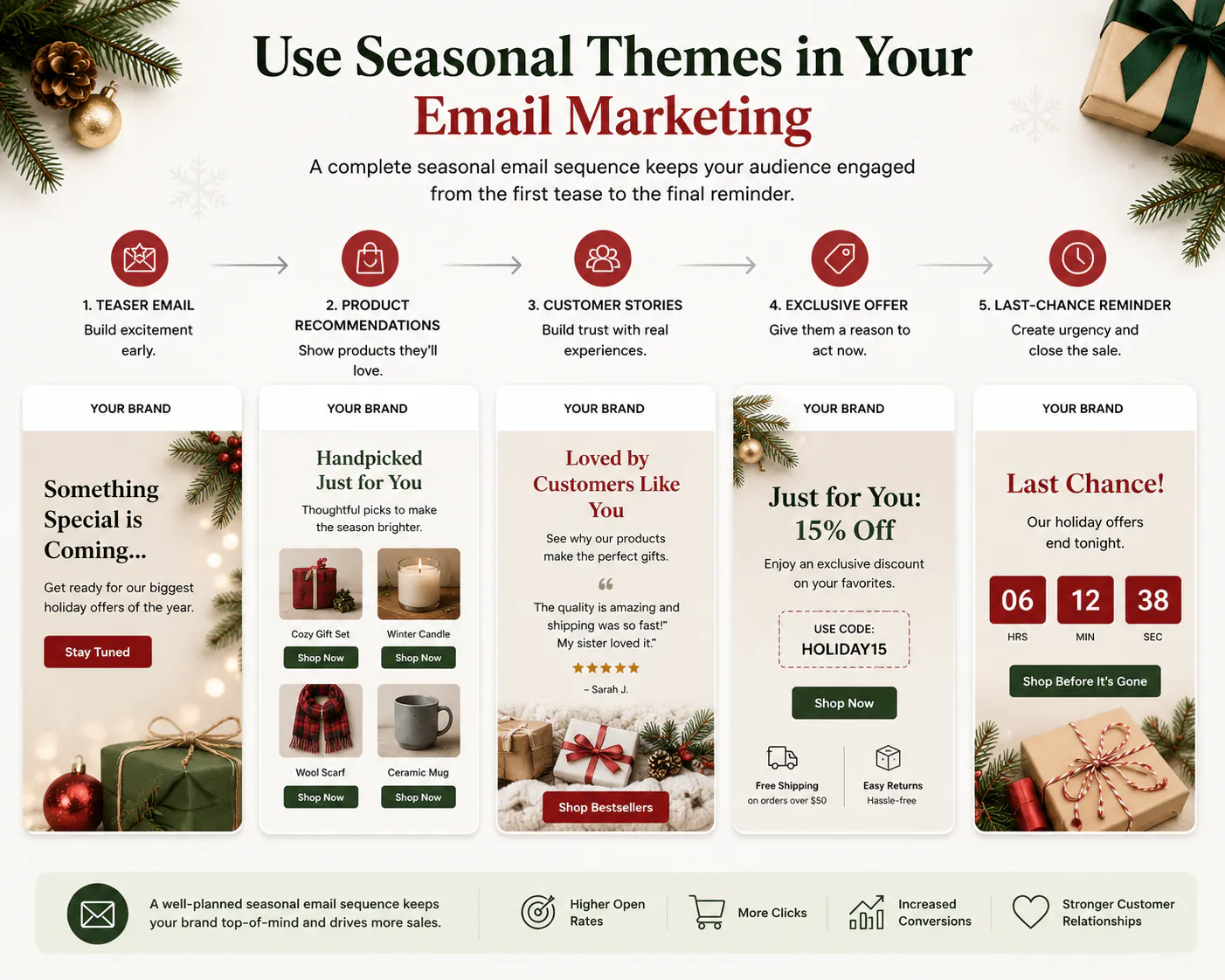
10. Use seasonal themes in your email marketing
Email remains one of the most effective channels for seasonal promotions. Instead of sending one-off promotional messages, create a complete seasonal email sequence. Start with teaser emails, follow up with tailored product recommendations, share customer stories, and finish with last-chance reminders.
This systematic approach keeps customers engaged throughout the campaign rather than relying on a single email to generate results. Seasonal email marketing works particularly well because subscribers have already shown interest in your brand, making them highly responsive to timely offers.
11. Offer early-access promotions
People love feeling like insiders. Reward your most loyal customers by giving them early access to seasonal sales, limited-edition collections, or exclusive offers.
This creates a powerful sense of exclusivity while strengthening customer relationships. Early-access promotions can also help you spread operational demand over a longer period instead of relying entirely on a stressful launch day. Customers feel appreciated, and your business benefits from more predictable revenue.
12. Design festive packaging
Packaging can become a powerful marketing tool during seasonal campaigns. A simple packaging refresh can make flagship products feel new and exciting without changing the actual product inside.
Festive colours, seasonal illustrations, or themed messages can help customers see your products as perfect gifts or special self-purchases. Visually appealing, festive packaging ideas also encourage social sharing, as customers are far more likely to post beautiful unboxing experiences online, generating free organic exposure.
13. Leverage micro-holidays for flash sales
Most brands focus exclusively on major shopping events such as Black Friday, Christmas, and Valentine's Day. The problem is that these periods are incredibly crowded with competitors fighting for attention. Micro-holidays give you a chance to stand out.
Events such as National Pet Day, Earth Day, International Coffee Day, World Photography Day, or World Sleep Day may not generate the same massive search volume as major holidays, but they attract highly targeted, passionate audiences.
14. Run a seasonal end-of-line clearance event
Every seasonal transition creates an inventory challenge. As winter ends, cold-weather products become less relevant. As summer finishes, seasonal stock needs to make room for autumn collections.
Rather than quietly discounting old inventory, turn it into a dedicated marketing event. Position the promotion as a "Last Chance" clearance sale before new arrivals launch. This creates genuine urgency because customers understand that once the products are gone, they are gone for good. This strategy supports your broader quarterly marketing strategy by helping you free up capital and warehouse space.
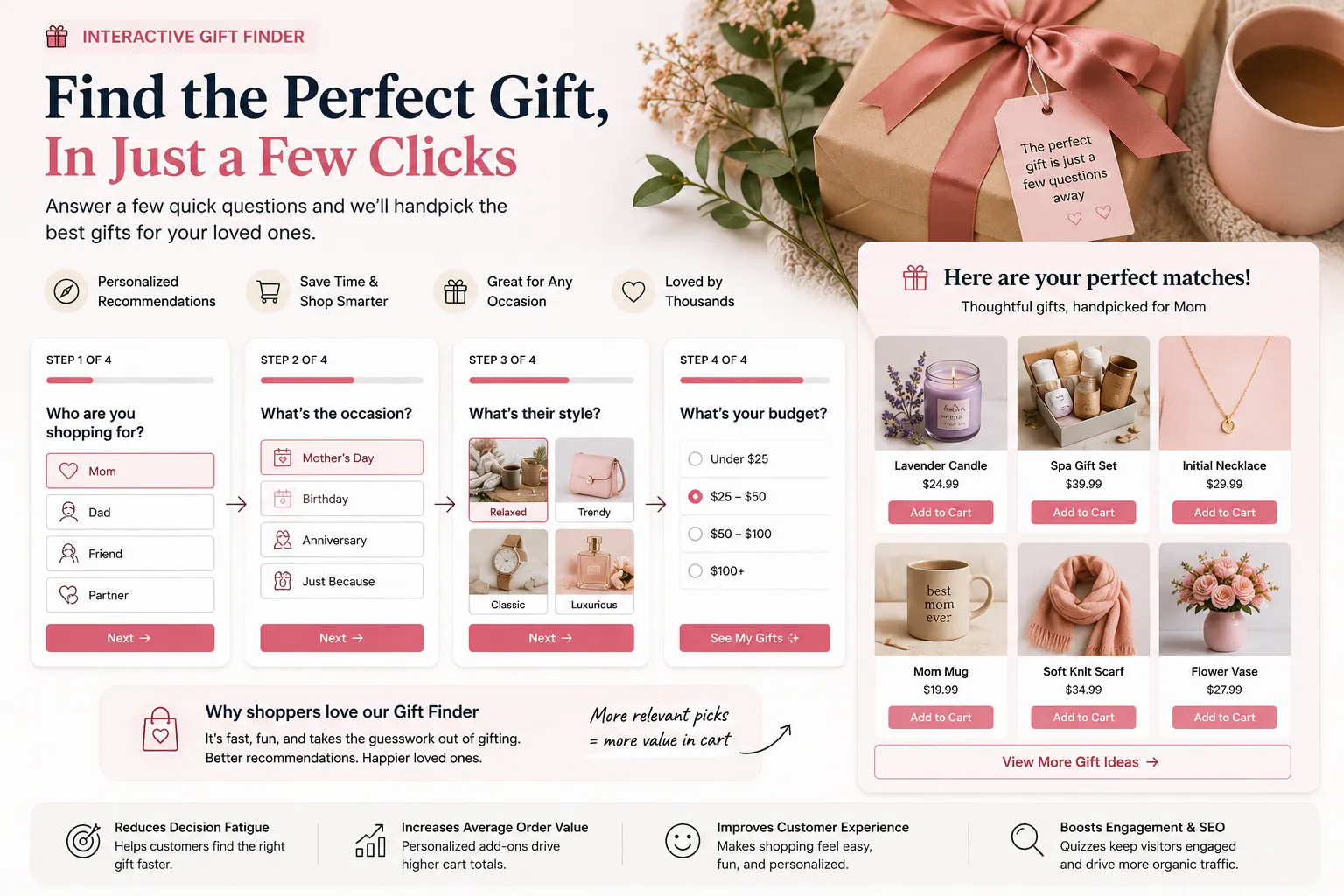
15. Create interactive gift finders and quizzes
One reason shoppers abandon purchases during peak seasons is decision fatigue. When customers are presented with too many options, they often postpone making a choice altogether. Interactive gift finders solve this problem by guiding shoppers toward relevant recommendations.
These interactive tools are highly effective for holiday marketing campaigns because they reduce friction, make shopping fun, and naturally increase average order value (AOV) by recommending complementary add-ons.
16. Launch a New Year customer retention campaign
For many businesses, January feels like a sharp slowdown after the Q4 holiday rush. Instead of treating it as a quiet recovery period, use it as a strategic opportunity to reconnect with existing customers and improve retention.
People enter the new year focused on personal goals, organisation, wellness, and self-improvement. Build campaigns that support these aspirations. For example, a fitness brand could launch a 30-day accountability challenge, while a skincare business could promote healthy winter routines. This transforms one-time holiday shoppers into loyal, repeat customers.
17. Create a post-holiday "treat yourself" campaign
Not every shopper receives the gifts they actually wanted during the holidays. Furthermore, many people enter January holding gift cards, cash gifts, or returns credit.
A post-holiday "Treat Yourself" campaign speaks directly to this audience. Shift your messaging away from buying for others and focus heavily on personal rewards and self-purchases.
18. Turn customer unboxings into holiday social media content
Customers often create better, more authentic marketing assets than brands can produce internally. Encourage your shoppers to share videos and photos of themselves opening your seasonal purchases, limited-edition items, or products featuring festive packaging ideas.
These unboxing experiences provide undeniable social proof. User-generated content is particularly valuable during seasonal promotions because it builds instant trust. Repurposing these customer videos allows you to maintain a steady stream of holiday social media content without constantly organizing expensive creative shoots.
19. Collaborate with seasonal influencers
Influencer marketing becomes significantly more effective when tied to a timely, seasonal theme. Instead of asking creators to post a generic product shot, invite them to curate their own exclusive seasonal collection directly from your existing catalogue.
For example, a travel influencer could share their ultimate summer essentials, while a lifestyle creator might build a custom holiday gift guide.
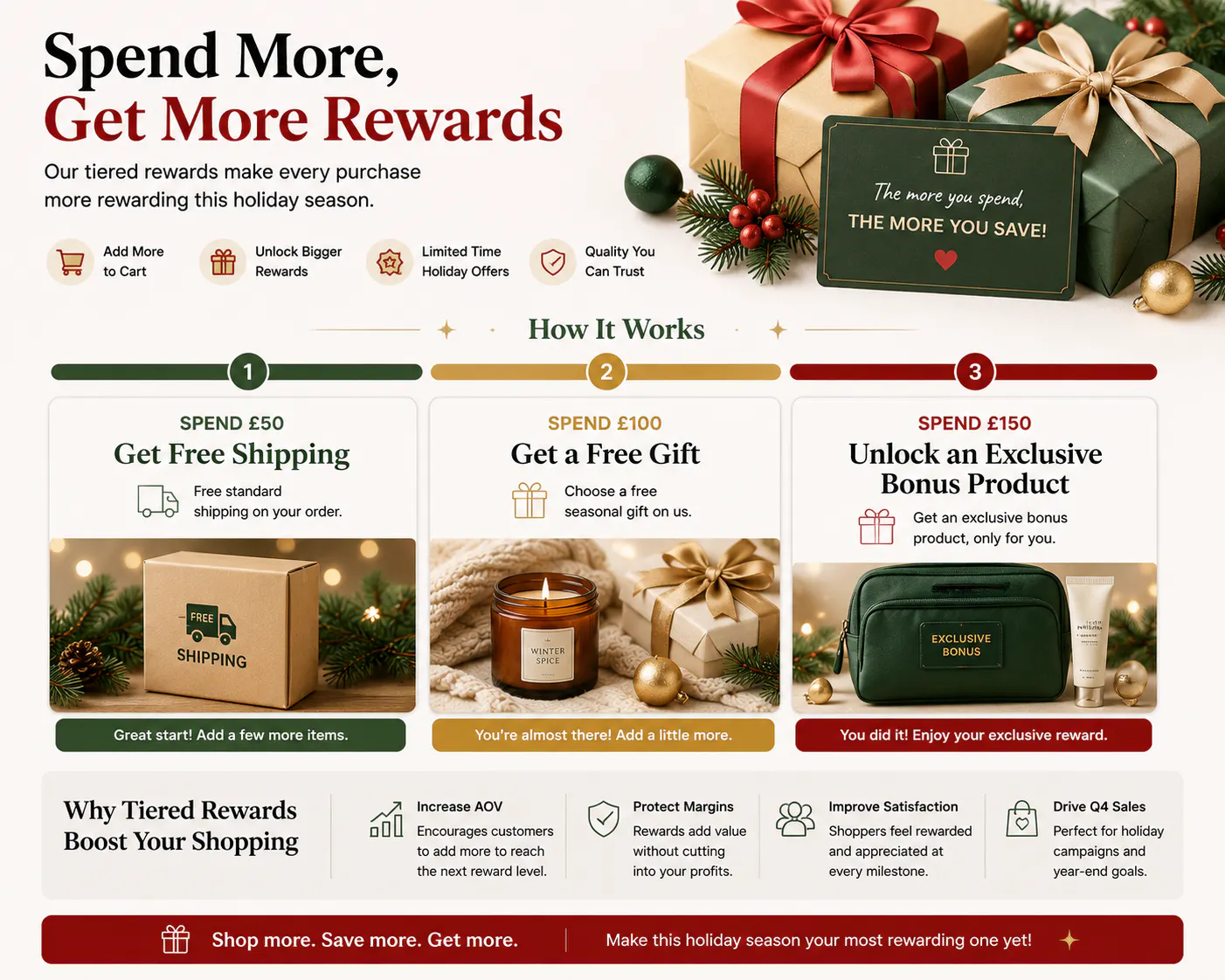
20. Use tiered rewards to boost retail sales Q4
One of the most reliable ecommerce holiday marketing tactics is encouraging customers to spend slightly more than they originally planned to get an incentive. For example, you can set milestones like: Spend £50 and get free shipping; Spend £100 and get a free seasonal gift; Spend £150 and unlock an exclusive bonus product.
These clear milestones encourage customers to add extra items to their carts to reach the next reward level. Unlike blanket discounts, tiered rewards protect your profit margins while directly acting to increase average order value (AOV).
Conclusion
The best seasonal marketing ideas are not necessarily the most expensive or complex; they are simply the ones that feel relevant to the consumer's current state of mind. As content demands continue to grow, creating entirely fresh assets for every single campaign can become challenging.
Tools like Blend simplify this process by allowing you to turn photos into video ads and other aspects of seasonal promotions without the cost and complexity of traditional production workflows.