
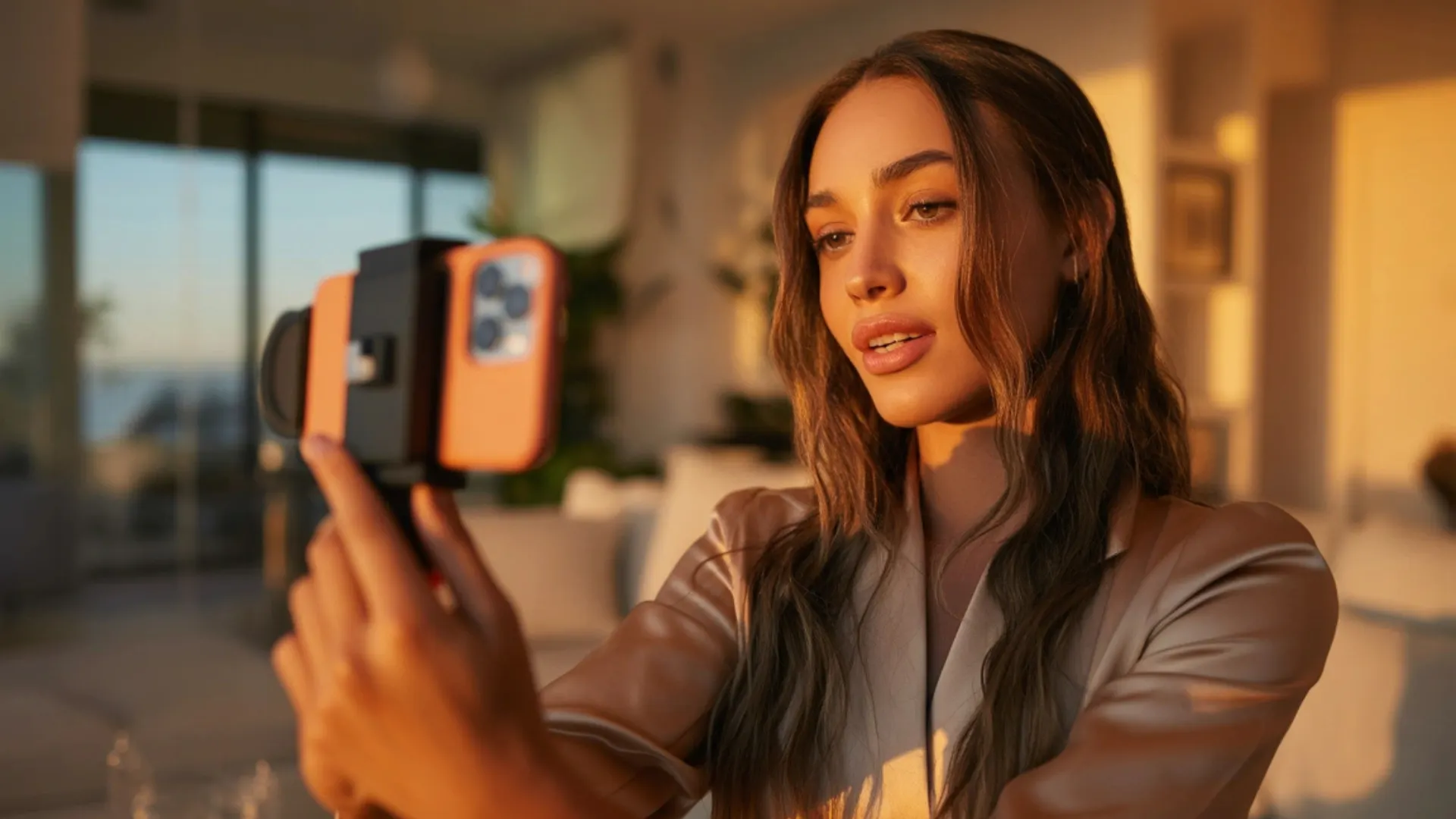


AI influencers are no longer a curiosity. Virtual creators like Aitana Lopez are landing brand deals, building engaged audiences, and earning real revenue without a single real photoshoot. For brands, solo creators, and e-commerce sellers, the opportunity is practical: a virtual persona that posts consistently, stays on-brand, and never needs a day off.
The tools to build one are accessible and affordable in 2026. The hard part is not the technology. The real challenge is building something that feels intentional instead of random. Here is how to do it right.
7 Steps to Create Your Own AI Influencer
Most failed AI influencer projects skip the planning and jump straight into generating pretty images. The steps below are ordered the way they are for a reason. Follow them in sequence and you will avoid the mistakes that kill most virtual influencer accounts before they gain traction.
Step 1. Pick a Niche Before You Pick a Face
A "lifestyle" AI influencer competes with millions of accounts. A sustainable fashion creator who only styles thrifted pieces has a defined audience actively searching for that content. Niche-first builds grow. Face-first builds plateau.
Strong niches for virtual influencer creation in 2026 include fashion and streetwear, fitness and wellness, beauty tutorials, product reviews in a specific category, and food or travel content. Whatever you choose, the niche should be specific enough that your target audience could describe it in one sentence.
Step 2. Build a Character Profile That Guides Every Decision
Before generating a single image, write a short character document. Give your AI influencer a name, an age range, a personality, a visual style, and 3 to 5 content themes. Keep it simple, but keep it written down.
You will reference this document every time you create content. Without it, your account drifts. Posts start looking inconsistent, the voice shifts between captions, and the audience cannot tell what the account is about. A character profile is what separates a recognizable persona from a random collection of AI-generated images.
Step 3. Generate a Consistent Visual Identity
Consistency is the hardest part of virtual influencer creation. Anyone can generate one good-looking AI image. Making the same character look recognizable across dozens or hundreds of posts, in different outfits, angles, and settings, is the real challenge.
Start by creating a reference set: a clean front-facing portrait, a few three-quarter angles, and 2 to 3 outfit variations. Save these as your master references. For e-commerce brands building an AI model influencer, tools like Blend's AI Models feature let you lock in specific attributes like gender, ethnicity, body type, skin tone, pose, and hair style. You get a consistent look across every product photo without booking a new model each time.
Use studio-quality backgrounds for polished portraits and catalog-style shots. Mix in lifestyle scenes that show your persona in real-world settings, like a coffee shop, a gym, or a workspace. The combination of studio polish and contextual lifestyle imagery is what makes a virtual influencer feel like a real person rather than a string of disconnected renders.
RELATED READING: 35 AI Prompts for Instagram Influencers to Create High-Engagement Photos in 2026
Step 4. Build a Content Library Before You Start Posting
Do not post one image at a time. Batch your content in advance. Generate 20 to 30 images across 3 to 5 recurring content categories that fit your niche, then organize them into a calendar.
For a fashion-focused AI influencer, those categories might include outfit-of-the-day posts, product close-ups, behind-the-scenes style tips, and lifestyle moments. For an e-commerce brand, the mix might lean toward product-on-model shots, styled flat-lays, and seasonal campaign visuals. Having a library means you can post consistently without scrambling for content every day.
Step 5. Add Motion With AI Video
Static images are the foundation, but video is what drives reach on Instagram Reels, TikTok, and YouTube Shorts. A short product reveal, a styled outfit transition, or a simple animated scene gives the algorithm more to work with and gives viewers a reason to stop scrolling.
AI video tools that turn still images into short clips make this step simple. Upload your best image, choose a video preset, and the tool generates a polished clip in minutes. No filming, no editing software, no production overhead. For e-commerce brands, turning product-on-model photos into short video ads is one of the fastest ways to scale social content.
Step 6. Set Up Your Platforms and Post Consistently
Instagram and TikTok are the two highest-leverage platforms for AI influencers in 2026 because their visual-first formats match what AI tools produce well. Reels and TikTok videos under 30 seconds are the dominant unit.
A few things to get right before you go live:
- Use a clean, recognizable profile photo that matches your character's master reference
- Write a bio that clearly describes the niche, not just the persona
- Consider disclosing the AI nature of the account in your bio. Transparency builds trust, and audiences increasingly respect it
Consistency matters more than frequency. Posting 3 to 5 times per week on a reliable schedule outperforms a burst of daily posts followed by silence.
Step 7. Plan Monetization Early
Building an audience without a revenue path is a common mistake. The AI influencer accounts that earn real money in 2026 plan their monetization from the start. The most practical options include:
- Brand partnerships in your niche, especially small and mid-size e-commerce brands looking for affordable influencer content
- Affiliate marketing with products your character would genuinely use or recommend
- Product content creation for other sellers who need on-model imagery, lifestyle shots, or short video ads
For e-commerce brands, an AI influencer doubles as a built-in content engine. The same persona that posts on social media also appears in product listings, ad creatives, and email campaigns, giving the brand a consistent visual identity across every channel.
RELATED READING: AI Model Photography for Beauty & Skincare Brands (Full Guide)
Start With One Character and Build From There
Creating an AI influencer is less about the tools and more about the plan behind them. Pick a niche, lock the visual identity, batch your content, add video, and post consistently. The technology in 2026 makes the production side fast and affordable. The competitive edge comes from doing the strategic work that most creators skip.
Blend helps e-commerce brands and creators build the visual foundation: AI Models for consistent on-model product shots, Lifestyle Shots for contextual imagery, AI Photoshoot for studio-quality backgrounds, and AI Videos for short-form clips. One product photo in, a full content set out. Try it free and start building your brand's visual identity today.
Frequently Asked Questions
What is an AI influencer?
A virtual persona whose appearance and content are generated with AI tools. AI influencers post on social platforms, build audiences, and can monetize through brand deals, affiliate marketing, or product content creation.
How much does it cost to create an AI influencer in 2026?
You can start for under $50 per month with basic tools. A more professional setup with dedicated image generation, video tools, and scheduling software typically runs $100 to $200 per month.
Do I need design or coding skills?
No. Most AI influencer tools in 2026 are built for non-technical users. You upload reference images, choose settings, and the AI handles the generation. The bigger skill is content strategy and consistency.
Should I disclose that my influencer is AI-generated?
Yes. Transparency is increasingly expected by both audiences and regulators. The EU AI Act and similar legislation require disclosure for AI-generated commercial content. Beyond legal compliance, audiences tend to engage more with creators who are upfront about it.
How long does it take to build an audience?
Plan for a minimum 90-day runway before evaluating results. Accounts that post consistently 3 to 5 times per week and engage with their niche community tend to see traction within the first 2 to 3 months.
Can an e-commerce brand use an AI influencer for product content?
Absolutely. An AI persona can appear in product photos, lifestyle scenes, video ads, and social posts, giving the brand a consistent visual identity without the cost of hiring models or creators for every shoot.