


Ever taken a photo of your food only for it to look dull, flat, greasy, or completely different from how it looks in real life? You are definitely not alone. We have gathered the best food photography tips to lighting hacks and food photo editing tricks that will turn you into a professional photographer.
The good news is that you do not need an expensive DSLR camera or a professional photography studio to create stunning food photos anymore. Scroll down and find out the best food photography tips that will help you improve your photos.
Why Food Photography Matters More Than Ever
Food photography is no longer limited to restaurants, food delivery apps, and professional chefs. Today, visually appealing food content dominates Instagram, Pinterest, recipe blogs, café menus, and delivery apps.
A good food photo can:
- Make people stop scrolling
- Increase social media engagement
- Improve restaurant branding
- Help your recipes get more clicks
- Make homemade meals look premium
- Build a recognizable Instagram aesthetic
That is exactly why learning food photography for beginners has become such a valuable skill today.
15 Food Photography Tips to Make Your Food Look Irresistibly Good
Whether you are a food blogger, café owner, home baker, content creator, or someone who simply loves aesthetic food photos, learning the below food photography tips can make your dishes look more professional.
1. Use Natural Light Instead of Flash
Lighting can completely transform how your food looks on camera. One of the most important food photography lighting tips is avoiding direct flash whenever possible.
Flash often creates:
- Harsh shadows
- Oily reflections
- Flat textures
- Unnatural colors
Instead, place your dish near a window where soft daylight can illuminate the food naturally. Side lighting works especially well for textured foods like croissants, pancakes, burgers, noodles, and cakes because it highlights details beautifully.
If the sunlight feels too harsh, just diffuse it using a white curtain, thin cloth, or a baking paper. This creates softer shadows and more professional-looking food photos.
2. Learn Which Angles Work Best for Food
Camera Angle | Best For | Why It Works |
Flat Lay (Top-Down Shot) | Pizza, smoothie bowls, breakfast spreads, charcuterie boards, table setups | Flat lays are especially popular in Instagram food photography because they create symmetry, balance, and a visually satisfying composition. |
45-Degree Angle | Pasta, cakes, coffee, burgers, sandwiches | This angle mimics how people naturally see food while sitting at a table, making the image feel realistic and inviting. |
Eye-Level Angle | Pancake stacks, layer cakes, burgers, drinks | Eye-level shots work best for foods with layers, height, or texture because they emphasize depth and dimension beautifully. |
Different dishes look better from different perspectives. Understanding camera angles is one of the easiest ways to improve food photography composition.
Experiment with multiple angles before selecting your final shot, since different foods can look dramatically better from different perspectives.
3. Keep Your Backgrounds Clean and Minimal
One of the biggest beginner mistakes in food photography is using distracting backgrounds.
Busy surfaces pull attention away from the actual food. Instead, use neutral backgrounds like:
- Marble
- Wooden boards
- Linen fabric
- Matte black surfaces
- Ceramic tabletops
Minimal setups help your dish stand out while creating a cleaner and more premium aesthetic. If your food is colorful, use simpler backgrounds to balance the composition visually.
4. Focus on Texture to Make Food Look More Appetizing
Texture is what makes people crave food through a screen. Think about the details that trigger appetite:
- Melted cheese
- Crispy edges
- Powdered sugar
- Chocolate drizzle
- Steam rising from hot dishes
- Fresh herbs
Professional photography of food focuses heavily on texture because it creates realism and emotional appeal. Instead of shooting from far away, move closer to capture those small delicious details.
5. Style Your Food Before You Shoot
Even tasty food may not automatically look photogenic on camera. Food styling helps dishes appear fresher, cleaner, and more visually balanced.
These food photography styling tips can improve your photos:
- Add garnish right before shooting
- Clean sauce smudges off plates
- Use textured toppings for depth
- Slightly undercook vegetables for brighter colors
- Arrange ingredients intentionally
Simple styling adjustments often make homemade dishes look professionally plated.
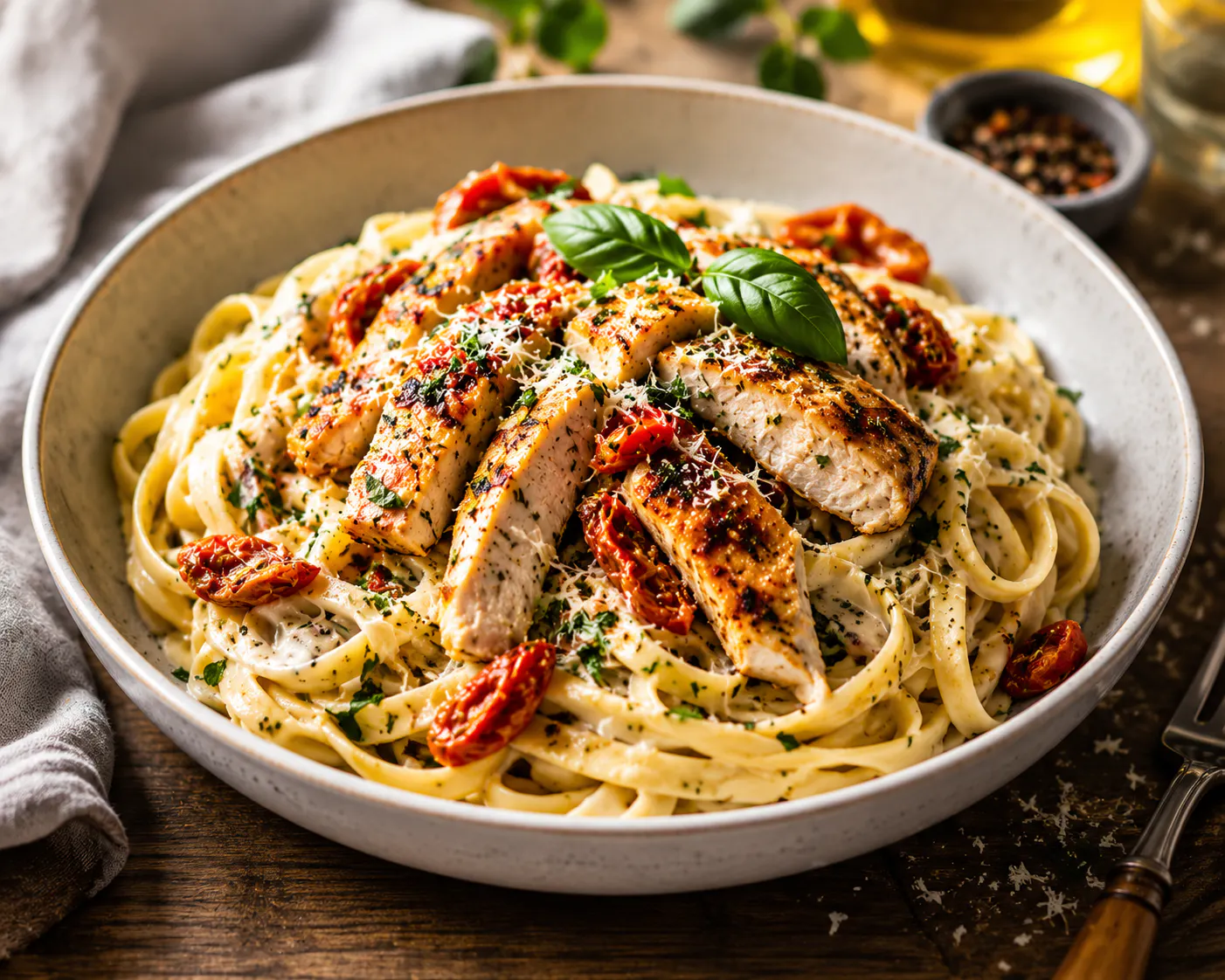
(Image created using Blend's AI Image feature)
6. Use Props Carefully
Props help create storytelling, but too many props can make your image feel cluttered. Instead of overcrowding the frame, use a few intentional elements like:
- Napkins
- Vintage spoons
- Ingredients
- Coffee mugs
- Small bowls
- Wooden boards
Negative space is equally important because it helps your composition feel cleaner and more elegant. One of the best food blogger photography tips is remembering that the food should always remain the hero of the frame.
7. Master Smartphone Food Photography
You no longer need expensive equipment to capture high-quality food photos. Modern smartphones are powerful enough for stunning mobile food photography.
These smartphone food photography tips make a huge difference:
- Clean your camera lens before shooting
- Tap the food to focus correctly
- Lower exposure slightly
- Avoid using digital zoom
- Use portrait mode carefully
Many successful food content creators now shoot entire Instagram feeds using only their phones.
8. Avoid Common Food Photography Mistakes
Sometimes improving your food photos is simply about avoiding common mistakes like:
Using Overhead Room Lighting: Warm indoor lights often create yellow food photos that look unnatural.
Oversaturating Colors: Extremely edited colors can make food appear fake and unappetizing.
Overcrowding the Scene: Too many props confuse the viewer’s eye and make compositions messy.
Ignoring Shadows: Flat lighting removes depth and texture from the image.
Using Dark Plates for Every Dish: Dark plates absorb light and can make beginner photos look muddy. Lighter ceramic dishes are usually easier to photograph.
9. Edit Your Food Photos Naturally
Editing should enhance your image without making the food look artificial.
Focus on:
- Brightness
- Contrast
- Warmth
- White balance
- Sharpness
Avoid excessive filters that destroy natural textures and colors.
If you want cleaner and more professional-looking visuals quickly, tools like Blend can simplify your editing workflow. You can remove distracting backgrounds, improve composition, and create aesthetic food visuals without advanced editing skills.
10. Create a Consistent Instagram Aesthetic
Consistency matters if you regularly post food content online. Some popular aesthetic food photography styles include:
- Bright and airy
- Rustic café vibes
- Minimal modern tones
- Dark and moody edits
- Warm cozy visuals
Choosing a consistent style makes your content feel more recognizable and visually cohesive.
This is especially important for:
- Food bloggers
- Restaurants
- Home bakers
- Recipe creators
- Café brands
You can learn all about creating a consistent color palette here.
11. Use AI Tools to Speed Up Food Photo Editing
AI tools are changing food photography dramatically. Instead of spending hours editing manually, you can now:
- Remove cluttered backgrounds
- Improve image quality
- Create clean product shots
- Maintain visual consistency
- Save editing time
All these can be down within seconds using the Blend app or website.
12. Practice With Different Types of Food
Some foods are naturally easier to photograph than others. Start practicing with desserts, coffee, smoothie bowls, pasta, fruits, or bakery items.
Over time, you will begin understanding how different textures, colors, and lighting setups affect your final image. The more you experiment, the stronger your visual instincts become.
13. Choose Smaller Matte Plates for Better Food Presentation
Your plate matters more than you think in food photography. Large glossy plates often create harsh reflections from windows, flash, or ring lights, which can make your food look distracting on camera.
Instead, use small matte ceramic plates whenever possible. Plates around 6–8 inches usually work best because they make portions appear fuller and more visually satisfying in photos.
14. Use Color Theory to Make Food Pop
One of the most overlooked food photography composition tips is understanding color contrast. Complementary colors can make your food photos look more vibrant and eye-catching.
For example:
- Orange foods pair beautifully with blue props
- Green dishes stand out against warm brown tones
- Red desserts pop against muted neutral backgrounds
If you are photographing pumpkin soup, try pairing it with a cool blue napkin or dark blue-grey bowl. The contrast makes the orange tones appear richer and more visually striking.
Professional food photographers often use subtle color theory to create aesthetic food photography that feels visually balanced and premium.
15. Fake Freshness Like Professional Food Photographers
Food can lose its fresh appearance quickly under lighting and room temperature conditions. One of the oldest professional food photography tricks is creating artificial freshness.
Keep a small spray bottle filled with a light mixture of water and glycerin. Spritzing it lightly onto salads, fruits, vegetables, or drinks creates tiny droplets that make the food appear fresher and more appetizing on camera.
This technique is especially useful for:
- Beverage photography
- Salad photography
- Fruit photography
- Restaurant menu shoots
Just avoid overdoing it. The goal is to create a subtle fresh “dewy” effect rather than making the food look wet or artificial.
Conclusion
The best food photography tips are not about expensive cameras or complicated studio setups. They are about understanding lighting, texture, composition, styling, and storytelling. And if you want faster, cleaner, and more polished food photo edits, Blend can help you create aesthetic, professional-looking food visuals effortlessly.