



Choosing where to sell online is one of the first decisions any new ecommerce seller has to make, and one of the most consequential. The platform you pick determines who sees your products, how much you pay per sale, how much control you have over your brand, and what your product images need to look like before you can even list.
Most guides compare platforms on fees alone. Fees matter, but they are only one variable. The platform's built-in audience, the type of buyer it attracts, the level of branding control it gives you, and its product photo requirements all shape whether your business thrives or stalls. A handmade jewelry seller on Amazon faces a completely different environment than the same seller on Etsy, even if the referral fee percentages look similar on paper.
Here is a practical, no-fluff breakdown of the major selling platforms in 2026, what kind of seller each one works best for, and the exact product image requirements you need to meet before your first listing goes live.
Amazon

Amazon is the largest online marketplace in the US, and for most product categories, the platform with the most buyer traffic. Selling on Amazon means putting your products in front of millions of active shoppers who are already in a buying mindset.
Who Amazon Works Best For
Amazon works best for sellers with products that already have demand. If someone is searching for "wireless earbuds" or "stainless steel water bottle," Amazon is where that search is happening. The platform rewards competitive pricing, fast shipping (especially through FBA), and strong product listings with high-quality images.
Amazon is a strong fit for:
- Private-label sellers with branded products in competitive categories
- Wholesale and arbitrage sellers who resell established brands
- Sellers who can use Fulfillment by Amazon (FBA) to handle storage and shipping
- Brands launching new products and wanting immediate access to a massive buyer pool
What to Know About Fees
Amazon charges a referral fee on every sale, typically 8% to 15% depending on the product category. If you use FBA, you pay additional storage and fulfillment fees based on product size and weight. A Professional Seller account costs $39.99 per month. Individual accounts have no monthly fee but charge $0.99 per item sold.
The fee structure means margins are tighter on Amazon than on platforms where you control the storefront. Factor in advertising costs (most competitive categories require sponsored ads to gain visibility), and your total cost-per-sale on Amazon can run 25% to 40% of the selling price.
The trade-off for those higher costs is traffic. Amazon brings the buyers to you. A seller spending $500 per month on Amazon ads can reach more high-intent shoppers than most Shopify stores reach with the same ad budget on Facebook, because Amazon shoppers are already searching for specific products with purchase intent.
RELATED READING: AI Visual Playbooks for Etsy and Print-on-Demand Artists
What Beginners Should Know About Starting on Amazon
Getting started on Amazon takes more upfront work than most other platforms. You need to register for a seller account, choose between Individual and Professional plans, set up your product listings with compliant images and copy, and decide whether to handle shipping yourself or use FBA.
For your first listing, focus on getting three things right:
- Product title. Clear, keyword-rich, and formatted according to Amazon's style guide for your category.
- Hero image. A clean white-background product photo that meets Amazon's strict image specs. A non-compliant main image can get your listing suppressed before a single buyer sees it.
- Pricing. Research competitive pricing in your category before listing. Amazon shoppers compare aggressively, and being priced 20% above comparable products will kill your click-through rate regardless of how good your images are.
Amazon Product Photo Requirements
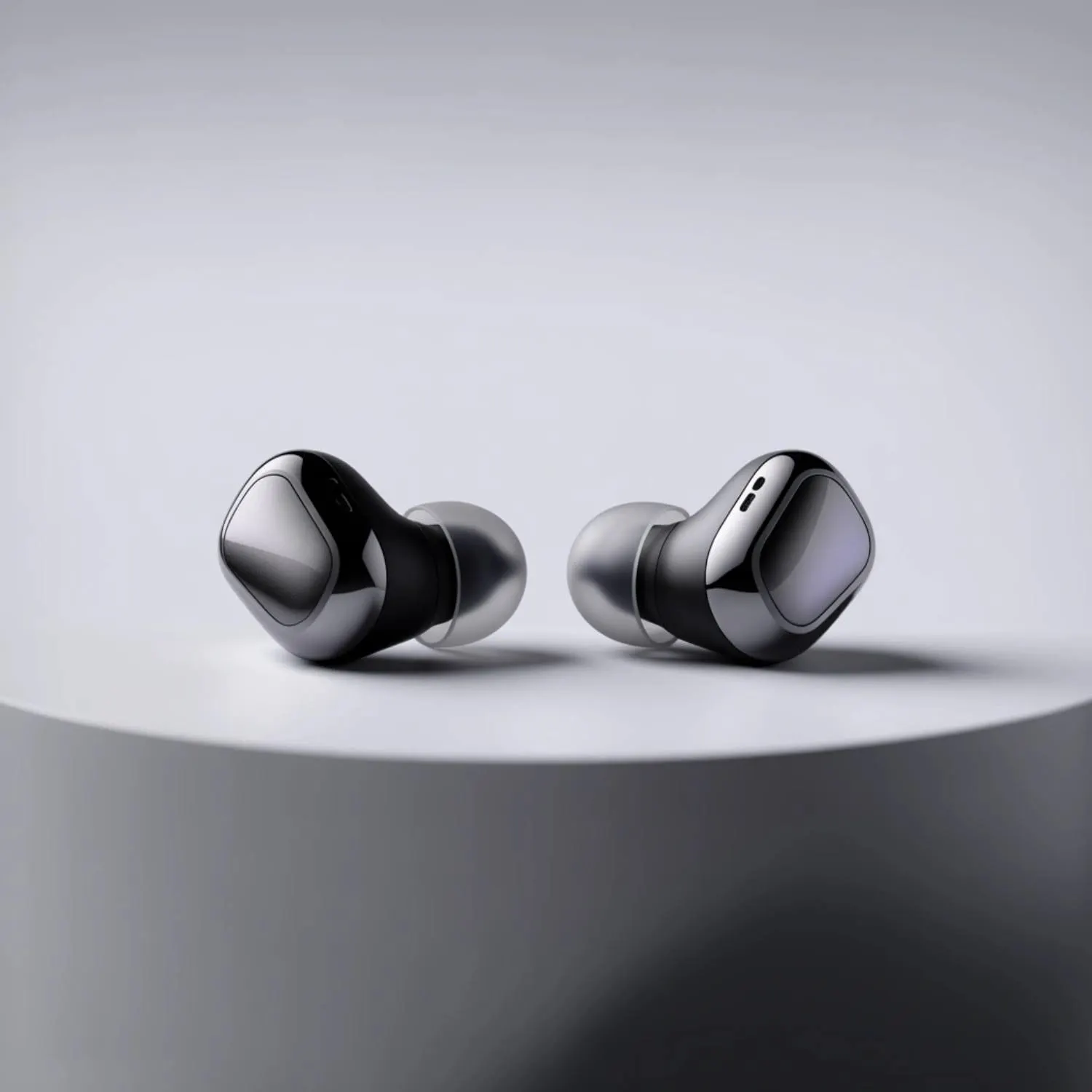
Amazon has the strictest image requirements of any major marketplace. Getting them wrong can result in listing suppression.
Main image (hero image):
- Pure white background (RGB 255, 255, 255)
- Product must fill at least 85% of the frame
- No text, logos, watermarks, or graphic overlays
- No props, accessories, or packaging unless part of the product
- Minimum 1000 x 1000 pixels (2000 x 2000 recommended for zoom)
- File formats: JPEG, PNG, TIFF, or GIF (non-animated)
Secondary images (slots 2 through 9):
- Lifestyle shots, infographics, size charts, and on-model photos are all allowed
- Text overlays are permitted on secondary images
- Video is allowed for Brand Registered sellers
For the hero image, a studio-quality product shot on a clean white background with realistic shadows is the safest approach. For secondary images, lifestyle scenes and on-model shots help shoppers visualize the product in context and can improve conversion rates.
RELATED READING: How to Sell on Depop: The Complete Guide
Etsy

Etsy is the go-to marketplace for handmade, vintage, and craft-supply products. The platform attracts buyers who are looking for unique, often one-of-a-kind items and are willing to pay a premium for them.
Who Etsy Works Best For
Etsy works best for sellers whose products have a personal, artisanal, or creative angle. The platform's search algorithm and buyer culture favor items that feel handmade, customized, or distinctive.
Etsy is a strong fit for:
- Handmade jewelry, ceramics, candles, and textile sellers
- Print-on-demand sellers (t-shirts, mugs, posters, stickers)
- Vintage sellers (items 20+ years old)
- Digital product sellers (printables, templates, patterns)
- Craft supply sellers
What to Know About Fees
Etsy charges a $0.20 listing fee per item (renewed every four months or upon sale), a 6.5% transaction fee, and a 3% + $0.25 payment processing fee. If you use Etsy Ads, advertising costs are additional.
The combined fee structure typically runs 10% to 13% of the sale price, making Etsy competitive with Amazon on fees but with a significantly smaller (though more targeted) buyer audience.
Etsy Product Photo Requirements

Etsy's image requirements are less rigid than Amazon's, which gives sellers more creative freedom but also means the bar for standing out is higher.
Listing images:
- Recommended size: 2700 pixels on the shortest side
- Aspect ratio: 4:3 recommended (horizontal images crop to square in search)
- File formats: JPG, PNG, or GIF
- Up to 10 images per listing
- The first image is the one that appears in search results
What performs best on Etsy:
- Lifestyle photography outperforms white-background studio shots for most categories
- Warm, natural lighting feels more authentic than harsh studio light
- Props should suggest context (gifting, home use, daily wear) without cluttering the frame
- Show the product from multiple angles, including close-ups of details and textures
- Include a scale reference so buyers can judge size accurately
Etsy buyers, especially during gift-buying seasons, respond to images that tell a story. A mug on a breakfast table reads better than a mug on a white background. A scarf draped over a chair in a warmly lit room reads better than a scarf laid flat on a surface. AI lifestyle shot tools can generate these styled scenes from a single product photo, which is especially useful for sellers managing large catalogs who cannot style and shoot every item individually.
RELATED READING: The Ultimate Amazon Listing Image Guide
Shopify

Shopify is not a marketplace. Shopify is a platform for building your own online store. You get full control over branding, pricing, customer data, and the shopping experience, but you also have to bring your own traffic.
Who Shopify Works Best For
Shopify works best for sellers who want to build a brand, not just sell a product. If your long-term goal is to own your customer relationships, build an email list, and create a storefront that reflects your brand identity, Shopify is the standard choice.
Shopify is a strong fit for:
- D2C brands building a direct relationship with their customer base
- Sellers who want full control over pricing, promotions, and store design
- Brands running paid ads (Facebook, Instagram, TikTok, Google) to drive traffic
- Sellers who plan to sell across multiple channels (Shopify connects to Amazon, Etsy, TikTok Shop, and more from one dashboard)
What to Know About Fees
Shopify plans start at $39 per month for the Basic plan. Transaction fees are 2.9% + $0.30 per online sale if using Shopify Payments (higher if using a third-party payment gateway). There are no listing fees and no referral fees. Premium themes cost extra, and app subscriptions for advanced features can add $50 to $200 per month depending on your stack.
The total cost of running a Shopify store depends heavily on your add-ons and ad spend. The platform itself is affordable, but marketing costs to drive traffic are an ongoing investment.
Shopify Product Photo Requirements
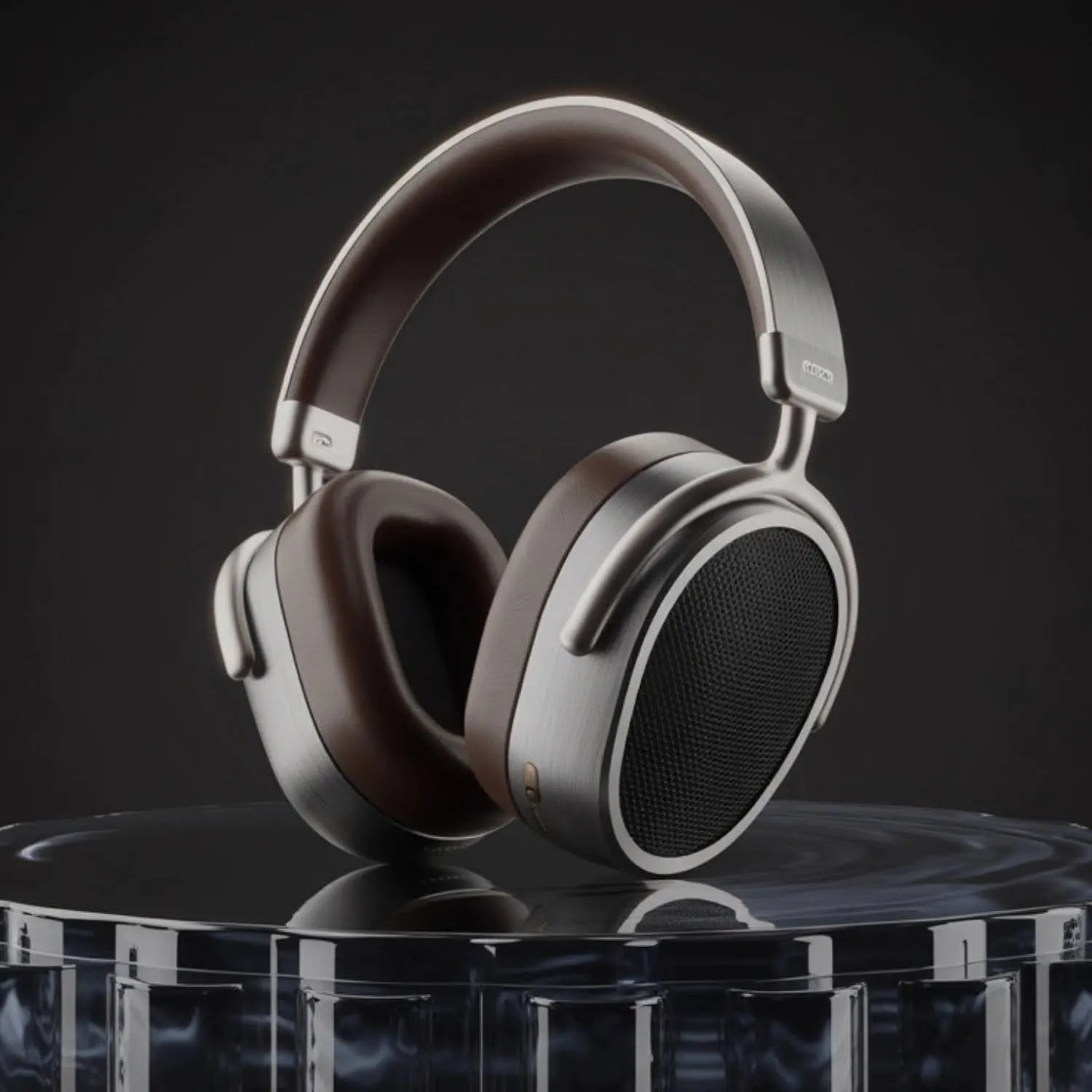
Shopify does not enforce strict image rules the way Amazon does. You control your own storefront, which means image quality is entirely your responsibility, and inconsistency shows more clearly when every product sits in a grid you designed.
Recommended image specs:
- 2048 x 2048 pixels (square) for clean grid display across devices
- Consistent aspect ratios across the entire product catalog
- File formats: JPEG, PNG, WebP, or GIF
- Max file size: 20MB per image (aim for under 200KB for performance)
What performs best on Shopify:
- Visual consistency is paramount. Every product image in your grid should share the same background, lighting, and framing style
- Use on-model shots for apparel and accessories to communicate fit and styling
- Feature lifestyle images on collection pages, homepage banners, and promotional blocks
- Add product videos for high-ticket items or products where motion helps communicate the value
For Shopify sellers specifically, maintaining visual consistency across 50 or 100 products is one of the hardest parts of building a professional-looking store. AI product photography tools that produce consistent lighting, backgrounds, and framing across every SKU solve this problem at scale.
eBay

eBay started as an auction site and has evolved into a full-service marketplace supporting both auction and fixed-price listings. The platform is particularly strong for used, refurbished, and hard-to-find items, though new products sell well in many categories.
Who eBay Works Best For
eBay works best for sellers who have products that are unique, hard to find, or competitively priced. The platform's buyer base is comfortable buying used and refurbished goods, which opens categories that other platforms do not serve well.
eBay is a strong fit for:
- Resellers of used, refurbished, or vintage electronics and collectibles
- Sellers of auto parts, tools, and specialty equipment
- Liquidation and overstock sellers
- Sellers who prefer auction-style selling for rare or high-demand items
- International sellers (eBay has strong cross-border trade infrastructure)
What to Know About Fees
eBay's fee structure includes a final value fee of 13.25% on most categories (capped at certain amounts for higher-priced items) plus a $0.30 per-order fee. Sellers get up to 250 free listings per month before a $0.35 insertion fee applies. eBay Store subscriptions ($4.95 to $2,999.95 per month) offer additional free listings and reduced final value fees.
eBay Product Photo Requirements
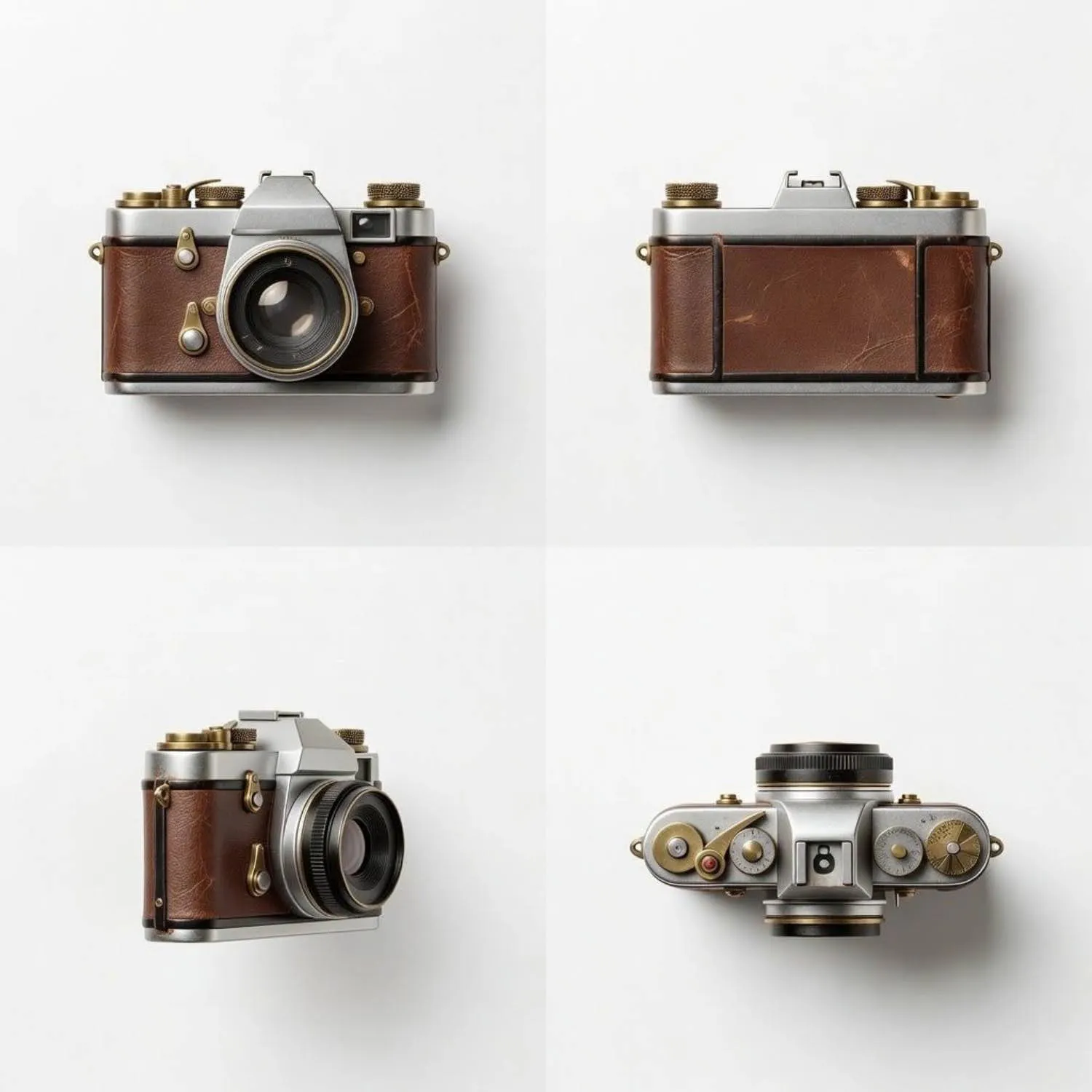
eBay allows up to 24 photos per listing at no extra charge. The platform is flexible on style, but clean, well-lit images with white or neutral backgrounds consistently outperform dark or cluttered shots.
Image specs:
- Minimum 500 x 500 pixels (1600 x 1600 recommended for zoom)
- File formats: JPEG, PNG, TIFF, BMP, or GIF
- No watermarks, borders, or promotional text on the main image
- Maximum file size: 12MB per image
What performs best on eBay:
- Multiple angles are critical, especially for used or vintage items where condition matters
- Include close-ups of any wear, damage, or imperfections for transparency
- Use a white or light grey background for the main image
- Show the item next to a common object for scale reference when size is not obvious
Walmart Marketplace

Walmart's online marketplace is growing rapidly and currently operates in a less saturated environment than Amazon. Sellers who qualify for Walmart's marketplace gain access to Walmart's massive customer base with less competition per listing.
Who Walmart Works Best For
Walmart Marketplace is a strong fit for sellers already established on Amazon who want to expand to a second major marketplace. The platform is selective about who it lets sell, which keeps competition lower but means newer sellers may need to build a track record elsewhere first.
What to Know About Fees
Walmart charges a referral fee of 6% to 15% depending on the category. There are no monthly subscription fees and no listing fees. The fee structure is competitive with Amazon, often slightly lower in comparable categories.
Walmart Product Photo Requirements
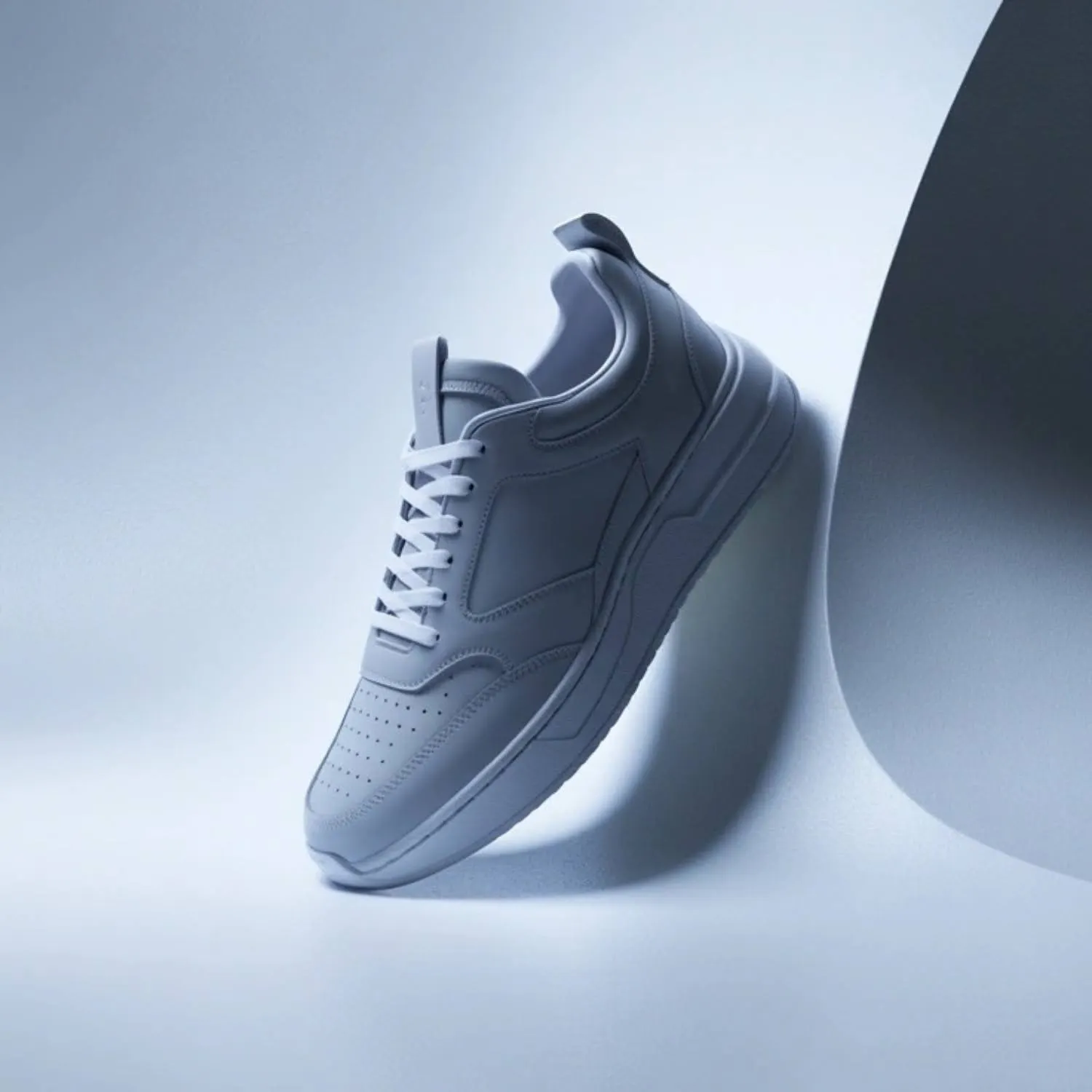
Walmart's image requirements are similar to Amazon's:
- White background required for the main image
- Minimum 1000 x 1000 pixels
- No text, watermarks, or logos on the main image
- Up to 10 images per listing
- File formats: JPEG or PNG
The standards are strict enough that the same white-background product images you create for Amazon will typically meet Walmart's requirements without modification.
TikTok Shop

TikTok Shop is the newest major selling platform and the fastest growing. The platform combines social media discovery with in-app purchasing, allowing sellers to reach buyers through short-form video content.
Who TikTok Shop Works Best For
TikTok Shop works best for sellers whose products photograph and film well, and whose target audience skews younger (18 to 35). The platform rewards visual content, so sellers who invest in strong product imagery and short-form video consistently outperform those relying on text-heavy listings.
TikTok Shop is a strong fit for:
- Beauty, skincare, and wellness brands
- Fashion and accessories sellers
- Trending and viral products
- Sellers who are comfortable creating or commissioning short-form video content
What to Know About Fees
TikTok Shop currently charges a base commission of around 6% on most categories. Creator commissions, if you use affiliate partnerships, are additional (typically 10% to 20% of the sale price, negotiated per creator).
TikTok Shop Product Photo Requirements
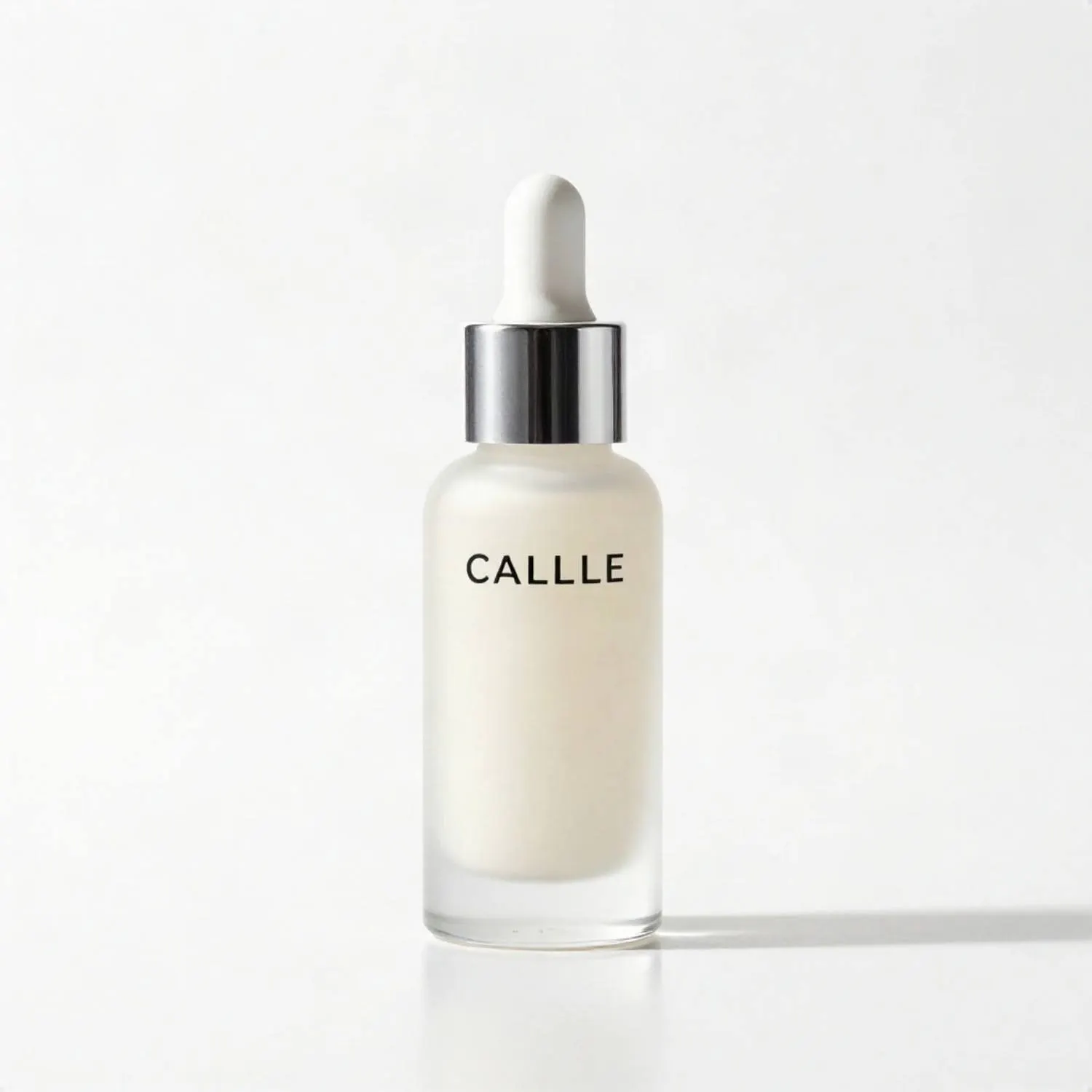
TikTok Shop requires:
- Minimum 600 x 600 pixels (higher recommended for clarity)
- White or light background for the main image
- At least 3 images per listing (5+ recommended)
- Vertical (9:16) format recommended for video content
- No promotional text or watermarks on the main image
Video content is where TikTok Shop listings gain their edge. Short product videos showing the item in use, from multiple angles, or styled in a lifestyle setting drive significantly more engagement than static images alone.
How to Choose the Right Platform for Your Business
With multiple platforms available, the decision comes down to matching your product, budget, and goals to the platform that serves them best. Here is a practical framework for making the call.
Match the Platform to Your Product Type
Handmade and craft items belong on Etsy. Commodity products with existing demand belong on Amazon. Products that look great on camera and appeal to younger audiences belong on TikTok Shop. Products you want to build a brand around belong on Shopify. The product-platform fit matters more than any fee comparison.
A simple test: search for your product category on each platform and look at who is selling. If you see direct competitors with strong sales, the platform has proven demand for your category. If your product type does not appear at all, the platform's buyers may not be looking for what you sell.
Start With One, Expand to Two
Most successful sellers start on one platform, build a track record, and then expand. A common path is to start on a marketplace (Amazon, Etsy, or eBay) to validate demand, then add a Shopify store to own the brand experience and customer data. Trying to launch on four platforms simultaneously spreads your time and inventory too thin.
The multi-channel approach works best when your operations can support it. Each platform has its own listing requirements, image specs, customer service expectations, and order fulfillment workflows. Adding a second platform doubles the operational complexity. Make sure your first platform is running smoothly before expanding.
Consider the Long-Term Brand Play
Marketplaces (Amazon, Etsy, eBay, TikTok Shop) give you immediate access to buyer traffic, but the customer belongs to the platform, not to you. You cannot email an Amazon buyer directly. You cannot retarget an Etsy buyer on your own terms. Your brand identity is constrained by the marketplace's templates and design limitations.
Shopify (and similar D2C platforms) require you to bring your own traffic, but the customer relationship is yours to own. You capture their email address. You design their shopping experience. You retarget them through your own ad account. For brands planning to grow beyond marketplace selling, owning the customer relationship from the start has compounding value.
The practical middle ground: sell on a marketplace for cash flow and demand validation, then invest in a Shopify store for brand building and customer ownership. Run both simultaneously once your operations can support it.
Invest in Product Photos From Day One
Every platform rewards strong product photography. Amazon requires it. Etsy's culture demands it. Shopify's brand-first approach depends on it. Regardless of which platform you choose, your product images are the most important asset on your listing.
For sellers listing across multiple platforms, the smartest approach is to create one master product photo set, clean studio shots, lifestyle images, and on-model photos, and then export each image in the correct dimensions for each platform. One photo session (or one AI generation session) covers every marketplace you sell on.
A complete product photo set for multi-platform selling includes:
- One clean white-background hero image (covers Amazon, Walmart, eBay main image)
- Two to three lifestyle images (covers Etsy primary images, Shopify collection pages, social ads)
- One on-model image for apparel and accessories (covers secondary listing slots on all platforms)
- One short-form product video (covers TikTok Shop, Amazon video gallery, paid social ads)
Creating that full set from scratch with traditional photography requires a studio, a photographer, and several hundred dollars per product. AI product photography tools can generate the same set from a single product photo in minutes.
Start Listing With Professional Product Photos on Any Platform
Whichever platform you choose, your product photos need to look professional from day one. Blend's AI-powered ecommerce tools generate studio-quality listing images, lifestyle scenes, on-model shots, and product videos from a single product photo, formatted for every major marketplace. Create your full product image set once and list everywhere.
Frequently Asked Questions
What is the best platform to sell online in 2026?
Amazon for built-in traffic, Etsy for handmade and craft items, Shopify for building a branded store, and TikTok Shop for reaching younger buyers. The best fit depends on your product type and goals.
Which selling platform has the lowest fees?
Walmart Marketplace and TikTok Shop currently offer competitive fee structures with no monthly subscription costs. Shopify has no per-sale referral fees but charges a monthly subscription.
What are Amazon's product photo requirements for sellers?
Amazon requires a white background, at least 1000 x 1000 pixels, no text or watermarks, and the product filling 85% or more of the frame for the main image.
What are Etsy's product photo requirements?
Etsy recommends 2700 pixels on the shortest side with a 4:3 aspect ratio. Lifestyle photography outperforms studio shots for most Etsy categories.
Can I use AI-generated product photos to sell on Amazon and Etsy?
Yes. Both Amazon and Etsy accept AI-generated product images as long as they accurately represent the product and meet the platform's image guidelines for background, resolution, and framing.
Which selling platform is easiest for beginners?
Etsy and eBay have the lowest barriers to entry and require the least upfront investment. Shopify requires more setup but offers more control. Amazon has the most complex onboarding but the largest buyer audience.