
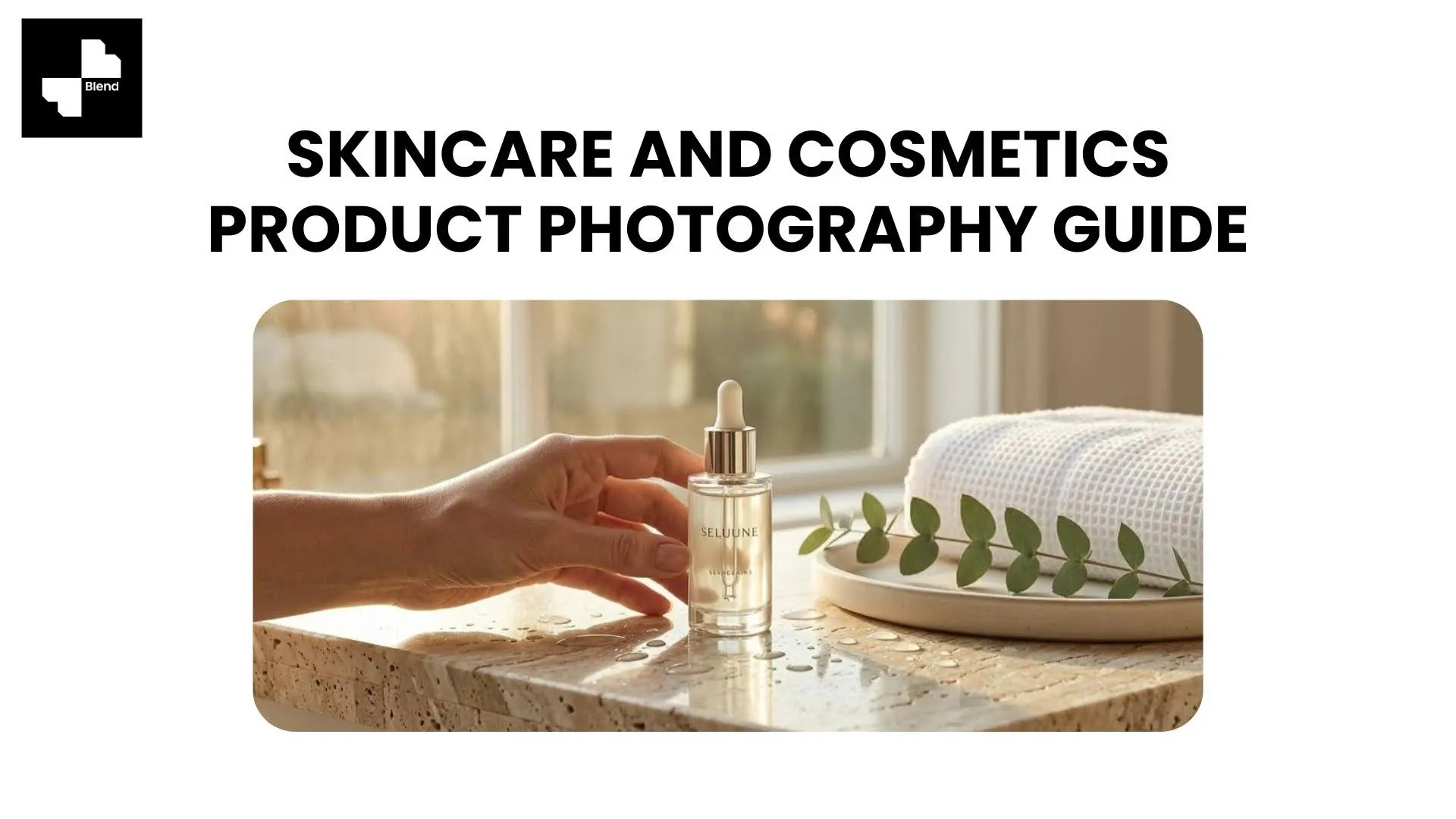



A serum bottle looks incredible in person, but every photo you take either blows out the glass with reflections, washes out the liquid color, or makes the packaging look cheaper than it actually is. Beauty products are some of the most visually demanding items to photograph because every surface fights the light differently. Glossy tubes reflect everything. Matte compacts absorb too much. Transparent bottles show every fingerprint and dust particle.
The good news is you do not need a full studio rig to get this right. A few angles and styling choices make an enormous difference, and AI tools like Blend let you generate professional skincare product photos and lifestyle scenes from a single upload. Here is a practical guide covering the angles, styling, and workflow that actually work for beauty brands.
Why Beauty Products Need a Different Photography Approach
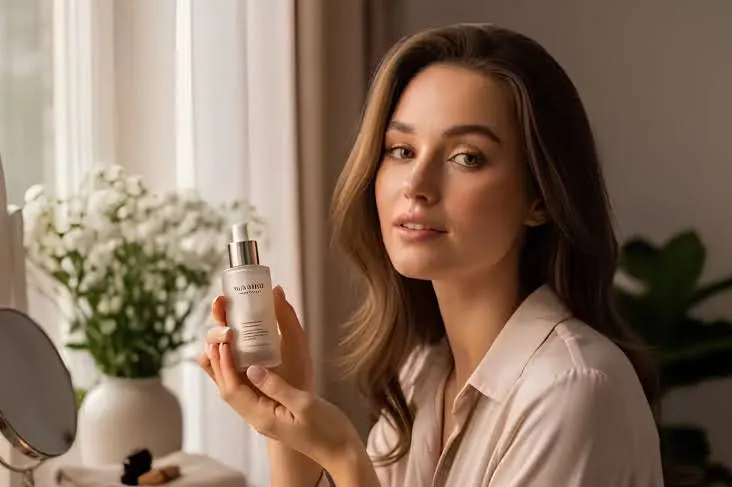
Most general product photography advice falls apart when applied to skincare and cosmetics. Here is what makes this category uniquely challenging.
Reflective Packaging and Transparent Liquids
Skincare bottles, serum droppers, and cosmetic tubes are built from glass, acrylic, and glossy plastic. Each of these materials reflects light unpredictably. A light source that works perfectly for a matte cardboard box will create harsh hotspots on a glass bottle. Transparent products like serums and toners add another layer: the liquid inside needs to look clean and appealing, not murky or washed out.
The fix is diffused lighting. Soft, even light from a window or a diffuser panel reduces harsh reflections and lets the product's shape and color come through naturally. Avoid direct flash or hard studio lights on glossy beauty packaging.
Color Accuracy Can Make or Break a Sale
A lipstick that looks coral on your website but arrives as a muted pink will get returned. Beauty buyers make purchasing decisions based almost entirely on what they see. If your product photos shift the color even slightly, you lose both the sale and the customer's trust. Shoot in consistent lighting, calibrate your monitor, and avoid heavy color grading in post-production.
Best Angles for Skincare and Cosmetics Photography
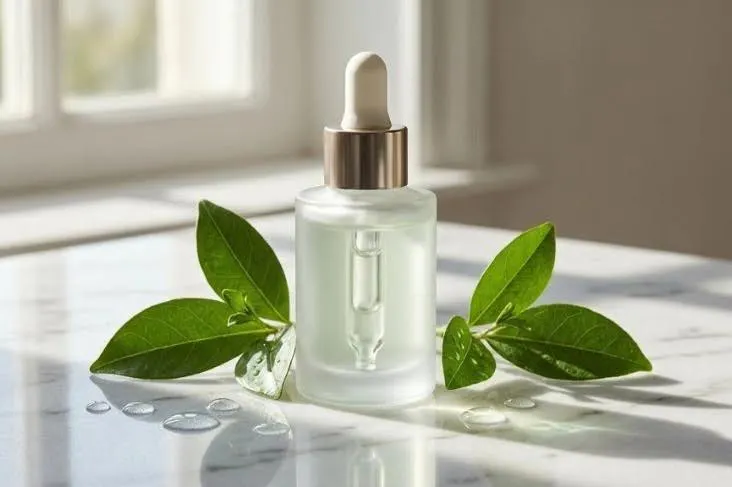
Not every product photographs well from the same angle. Here are the three angles that cover most beauty product photography needs.
Straight-On Hero Shots for Labels and Packaging
A straight-on, eye-level shot is the standard hero image for beauty listings. The camera faces the product directly, showing the full label, brand name, and packaging design. Use this angle for your main marketplace listing image and any placement where brand recognition matters most.
- Ideal for serums, moisturizers, and any product with front-facing label art
- Keep the product centered with clean negative space on each side
- Pair with a white or light background for marketplace compliance
45-Degree Angle for Depth and Dimension
Tilting the camera slightly above and to one side of the product adds a sense of three-dimensional depth that straight-on shots lack. A 45-degree angle reveals the product's shape, cap design, and surface texture more naturally. For serum product photography, this angle catches the liquid inside the bottle, which helps buyers assess volume and clarity.
- Works well for bottles, jars, tubes, and compacts
- Shows both the front label and the product's overall form
- Creates natural shadows that ground the product on the surface
Overhead Flat Lays for Collections and Routines
An overhead shot looking straight down at the product works best when photographing multiple items together. Beauty brands use flat lays to showcase full skincare routines, color ranges, or gift sets. Arrange products in a clean grid or organic layout, and add a few props (a cut lemon, a sprig of lavender, a cotton pad) to create a styled editorial feel.
- Best for sets, bundles, and "routine" posts on social media
- Keep the arrangement balanced and avoid overcrowding the frame
- Consistent spacing between products makes the image feel intentional
Styling Tips That Make Beauty Products Sell
The angle gets the structure right. Styling is what makes the image feel like it belongs to a specific brand.
Match Props to the Product Story
Every prop in a beauty product photo should connect to the product's ingredients, use case, or brand mood. A vitamin C serum looks natural next to sliced oranges. A hydrating moisturizer pairs well with water droplets or a dewy leaf. A luxury night cream belongs on marble with soft candlelight.
- Use 1-2 props maximum. More than that pulls attention away from the product.
- Color-match props to the packaging or ingredient palette
- Natural elements (botanicals, citrus, stones, water) outperform synthetic ones for beauty
Show Texture When You Can
Beauty buyers want to know what a product feels like before they buy. Showing texture, whether through a swatch, a smear, or a pour, answers a question that packaging alone cannot. A foundation swatch on skin shows shade and coverage. A cream dollop next to the jar shows consistency. A serum drop on glass shows viscosity and transparency.
How to Create Beauty Product Photos with Blend
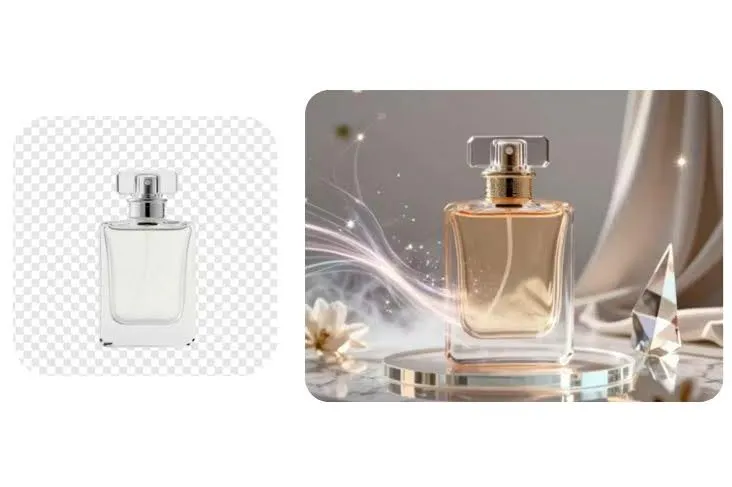
Once you have a clean product photo (even a basic one from your phone), AI tools can handle the rest of the production.
Generate Lifestyle Scenes for Skincare and Cosmetics
Upload your product image to Blend and use lifestyle product photography to place it into styled beauty scenes. A serum on a marble bathroom counter with soft window light. A moisturizer on a wooden vanity with a potted plant. A lipstick on a mirrored tray reflecting warm light. The AI handles lighting, shadows, and surface interactions, so you do not need to stage a single prop.
For products that need background removal first, Blend isolates the product cleanly before placing it into any scene. Use the magic eraser to clean up fingerprints, dust, or label imperfections.
Build Campaign Visuals Without a Studio
For seasonal campaigns, product launches, and social content, Blend lets you generate multiple scene variations from a single product photo. Create a summer collection layout with bright, airy backdrops. Build a holiday campaign with warm tones and rich textures. Generate flat-lay compositions for beauty brand photography across your full product line.
You can also turn any beauty product photo into short-form video content for Reels, TikTok, and product page animations, adding movement without a video shoot.
- Generate 3-5 scene variations per product for A/B testing
- Match seasonal campaign aesthetics without reshooting
- Produce consistent visuals across your full SKU range
Make Your Beauty Products Look as Good Online as They Do in Person
Beauty buyers shop with their eyes. A product that looks flat, off-color, or poorly lit on a listing page loses to the competitor with better visuals, even if the formula is superior. The right angles, thoughtful styling, and AI-generated lifestyle scenes close the gap between what your product looks like in person and what it looks like on screen.
Upload your beauty product photography to Blend, generate styled scenes, and build a visual catalog that matches the quality of your formulation.
Ready to elevate your beauty product visuals? Start creating for free with Blend and turn simple product photos into campaign-ready imagery.
Frequently Asked Questions
What lighting works best for skincare product photography?
Soft, diffused natural light or a studio softbox produces the cleanest results for beauty products. Avoid direct flash or hard light sources, which create harsh reflections on glossy packaging and distort color accuracy.
How many angles should I shoot each beauty product from?
Three angles cover most listing and marketing needs: a straight-on hero shot for the main listing image, a 45-degree angle for depth and dimension, and an overhead flat lay for routine or collection posts.
Do I need props for cosmetic product photos?
Props help tell the product story, but less is more. Stick to 1-2 items that connect to the product's ingredients or use case (a cut citrus for vitamin C, a leaf for botanical formulas). Overcrowding the frame pulls focus from the product.
How do I avoid reflections on glass skincare bottles?
Use diffused lighting positioned at an angle rather than pointing directly at the product. Matte surfaces under the bottle also reduce unwanted bounce. If reflections persist, adjust the product's angle slightly until the hotspot moves out of frame.
Can I create professional beauty product photos with a phone?
Yes. A phone camera with good natural light and a clean background can capture a usable base image. AI tools like Blend then enhance that photo by placing it into professional lifestyle scenes with matched lighting and shadows.
What background colors work best for beauty product photography?
White and light neutral backgrounds are safest for marketplace listings. For brand websites and social media, soft pastels, marble textures, and warm earth tones complement most skincare and cosmetics packaging without competing for attention.