
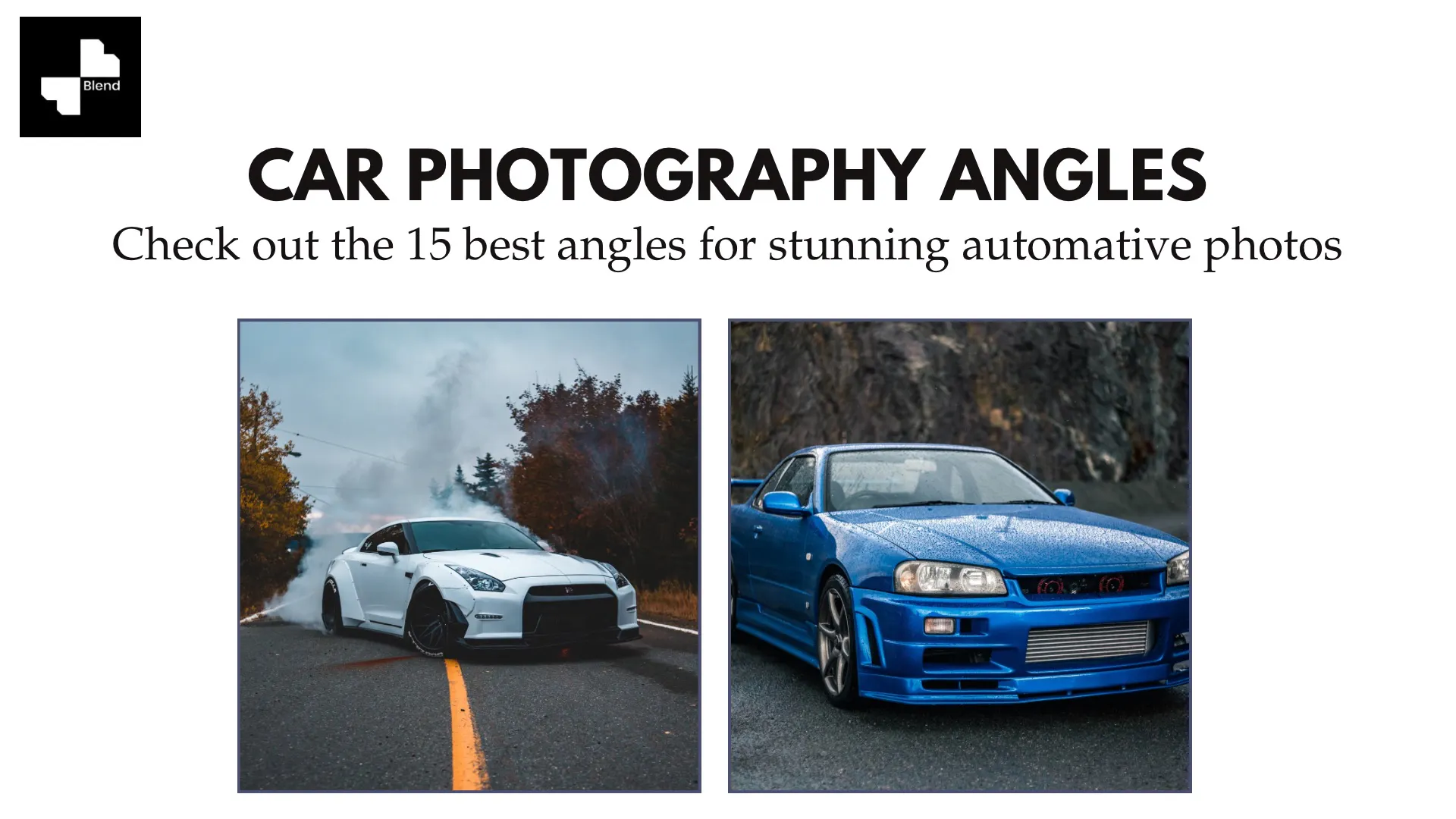


Great automotive photography has a way of making cars feel larger than life, and most of that magic comes from one thing: perspective. That’s why professional photographers obsess over car photography angles.
If you are shooting for Instagram, online marketplaces, dealership websites, automotive blogs, or personal portfolios, then you need to understand automotive photography angles and how it instantly improves your images.
And today, AI editing tools like Blend have become advanced and you no longer need a professional editor to edit them. Scroll down and learn all about the best car photography angles and professional automotive photography tips,
1. Front Three-Quarter Angle
The front three-quarter angle is easily the most popular car photography angle in the automotive world. It’s used in commercials, dealership banners, luxury campaigns, and automotive magazines because it captures both the front fascia and side profile simultaneously.
This angle highlights the grille, headlights, hood lines, wheel stance, and body contours all in one frame, creating a balanced and dynamic composition.
To capture this shot, position yourself diagonally in front of the vehicle and shoot slightly lower than eye level. Turning the front wheels outward adds extra visual interest and gives the car a more aggressive appearance.
For luxury car photography and sports car photography, this angle almost always delivers strong results.
2. Side Profile Angle
The side profile shot focuses entirely on the silhouette of the vehicle. It’s one of the most important angles for dealership car photography because buyers want to clearly see proportions, wheelbase, roofline, and overall shape.
A clean side profile image feels polished and symmetrical. However, small mistakes become very noticeable here. Tilted horizons or distorted perspectives can make even premium cars look awkward.
Keeping your camera level is essential.
This angle works especially well for:
- car marketplace listings
- automotive review sites
- luxury sedans
- SUVs
- comparison content
Background distractions can easily ruin these shots, which is why many creators use Blend’s AI background replacement tools to create cleaner, more professional compositions.
RELATED READING: AI Car Photography for Dealerships: Editing, Backgrounds & Lighting Explained
3. Rear Three-Quarter Angle
Rear styling has become a huge part of modern automotive design. From LED taillights to sculpted bumpers and sporty exhaust systems, the rear of a car often deserves just as much attention as the front.
The rear three-quarter angle adds depth while emphasizing aggressive design elements. It works beautifully during blue hour because glowing taillights create cinematic atmosphere against darker surroundings.
This is one of the most underrated automotive photography angles, especially for sports cars and luxury vehicles.
4. Low Angle Car Photography
Few techniques can make cars look more powerful than low-angle car photography. Luxury automotive advertisements constantly use low perspectives because they exaggerate road presence and create a sense of dominance. Shooting near knee level makes vehicles appear larger, more dramatic, and more cinematic.
This technique works especially well for:
- muscle cars
- supercars
- luxury SUVs
- performance vehicles
Golden hour lighting adds even more impact because soft sunlight enhances reflections and body contours beautifully.
Low-angle shots also perform incredibly well on social media because they instantly feel more dynamic than standard eye-level photos.
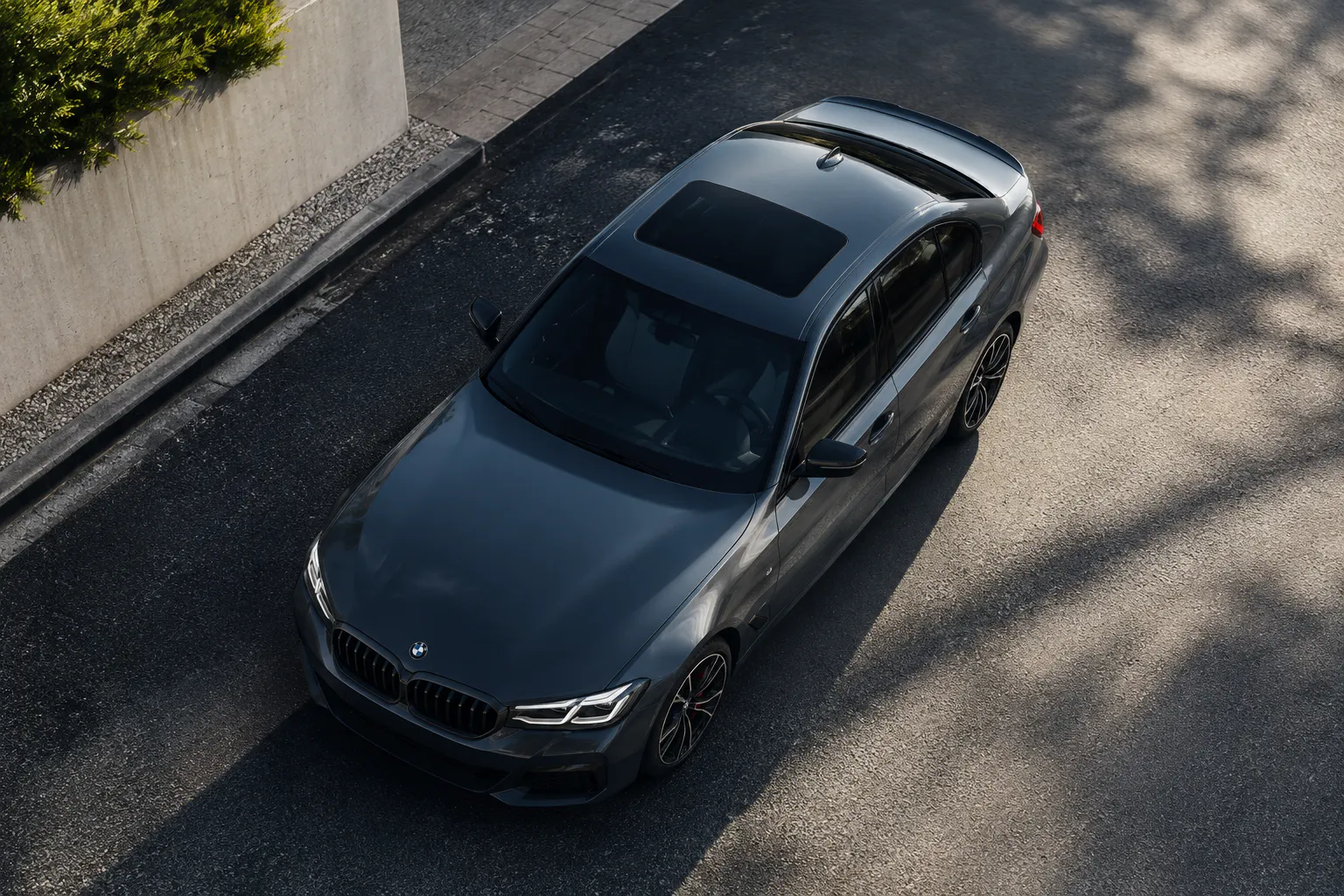
5. High Angle Car Photography
While low angles create drama, high angles reveal design. High-angle car photography is perfect for showcasing rooflines, panoramic sunroofs, hood sculpting, and interior layouts. SUVs and off-road vehicles particularly benefit from elevated perspectives because they emphasize size and capability.
Parking structures, balconies, staircases, and elevated sidewalks make excellent shooting locations for these compositions.
6. Wheel and Rim Close-Ups
Professional car photography isn’t only about full vehicle shots. Detail photography plays a massive role in making automotive images feel premium.
Wheel close-ups highlight craftsmanship and performance details like:
- alloy rims
- brake calipers
- tire textures
- carbon fiber accents
- reflections
Using portrait mode or shallow depth of field helps separate the wheel from the background, creating a polished commercial look.
These detail shots are especially popular in luxury car photography and automotive Instagram content.
7. Interior Driver Perspective
Interior shots help viewers imagine themselves inside the vehicle, which is incredibly important for dealership car photography and online car listings.
Capturing the steering wheel, dashboard, ambient lighting, infotainment screens, and stitching details creates emotional connection. Buyers don’t just want to see a car — they want to imagine the driving experience.
Soft natural lighting works best for interior photography because harsh sunlight creates unwanted reflections on glass and screens.
8. Front Symmetry Shot
A perfectly centered front-facing image creates a strong visual impact. This angle works beautifully for luxury sedans, muscle cars, SUVs, and supercars because symmetry naturally feels powerful and intentional.
Keeping the grille centered and headlights aligned creates clean, professional compositions that resemble commercial automotive campaigns. Leading lines in roads or parking structures can make these shots even more dramatic.
9. Rolling Car Photography Shot
Rolling shots bring movement and energy into automotive photography.
Instead of looking parked and static, the car suddenly feels alive. Motion blur in the background creates speed while keeping the vehicle sharp and in focus.
These shots are widely used in:
- automotive advertisements
- social media reels
- sports car campaigns
- cinematic edits
Rolling photography requires careful coordination and safety, but the final results often feel far more exciting than stationary images.
10. Reflection Photography Angle
Cars naturally reflect their surroundings, and skilled photographers use reflections creatively instead of trying to avoid them.
Wet roads, puddles, glass buildings, and polished floors can all create dramatic mirror-like compositions that make automotive photos feel cinematic and luxurious.
At the same time, reflections can also become distracting. Unwanted reflections on paint or windows often require editing afterward, which is where Blend’s AI editing tools become especially useful. They help clean up distractions and improve reflection consistency without hours of manual retouching.
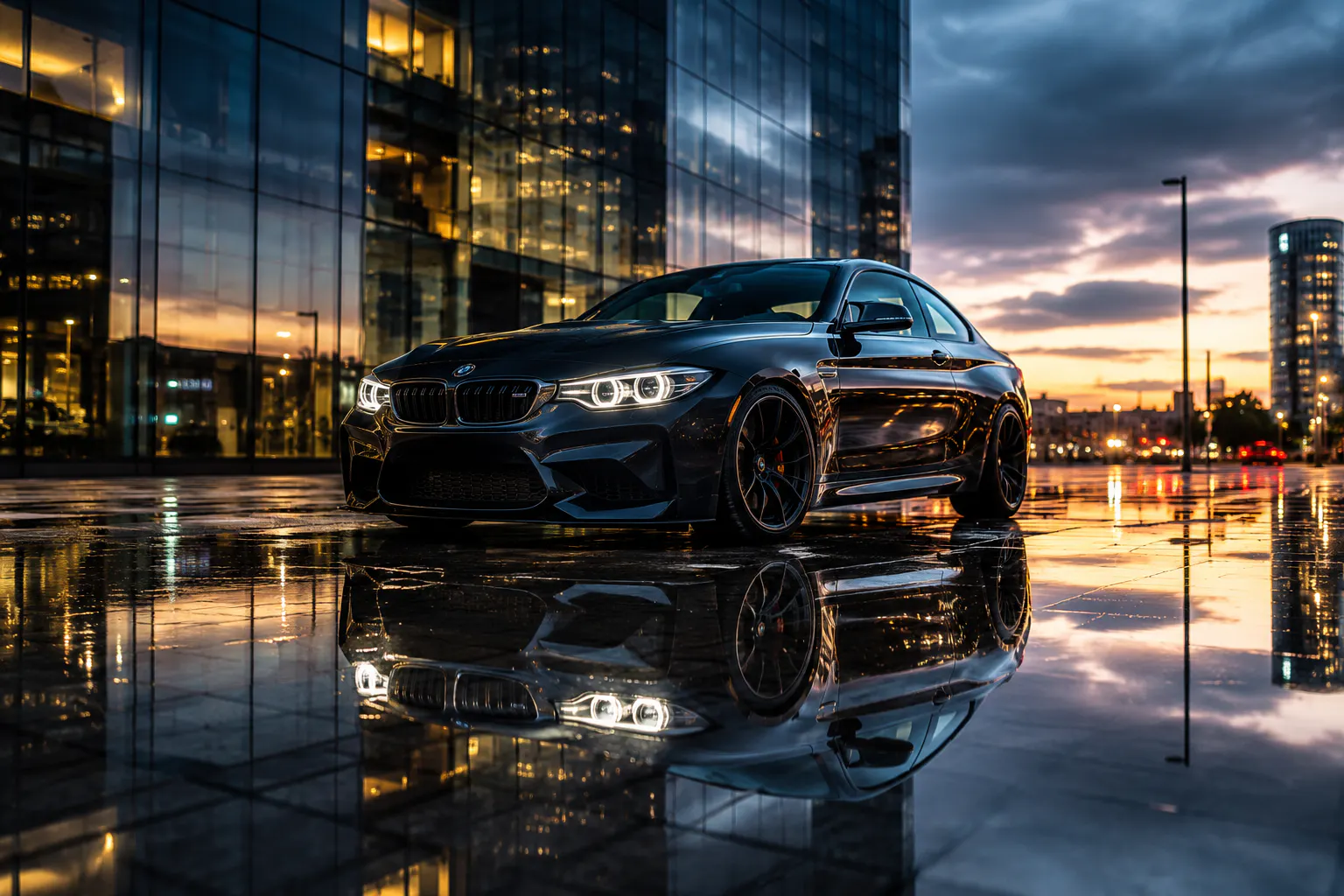
11. Night Car Photography Angle
Nighttime automotive photography instantly creates atmosphere.
Street lights, neon signs, and city reflections give cars a futuristic and cinematic feel that’s difficult to recreate during daytime shoots. Luxury sedans and sports cars look especially striking at night because reflective surfaces catch surrounding lights beautifully.
However, low-light photography can also introduce grain, muddy shadows, and poor exposure. AI-powered enhancement tools like Blend help improve clarity, lighting balance, and detail while maintaining a natural look.
12. Wide Environmental Shot
Wide environmental shots tell stories rather than simply documenting vehicles.
A sports car photographed on a coastal highway feels adventurous. An SUV surrounded by mountains feels rugged and capable. A luxury sedan in a glowing cityscape feels sophisticated and aspirational.
This style of automotive photography works extremely well for branding and social media because it creates emotional atmosphere around the vehicle.
13. Hood-Level Perspective
Hood-level shots feel immersive and cinematic because they place viewers directly into the scene.
This angle is often used in sports car photography, racing content, and dramatic automotive edits because it creates the feeling of standing inches away from the vehicle before a drive.
Combined with motion, lighting, and reflections, hood-level photography can produce incredibly cinematic results.
14. Headlight Close-Up Shot
Modern headlights are essentially design statements. LED lighting signatures, sharp detailing, and reflective surfaces make headlight close-ups one of the most visually striking forms of automotive detail photography.
These shots work especially well for:
- luxury car photography
- sports car photography
- electric vehicle photography
- cinematic automotive edits
They also add variety to automotive portfolios and social media galleries.
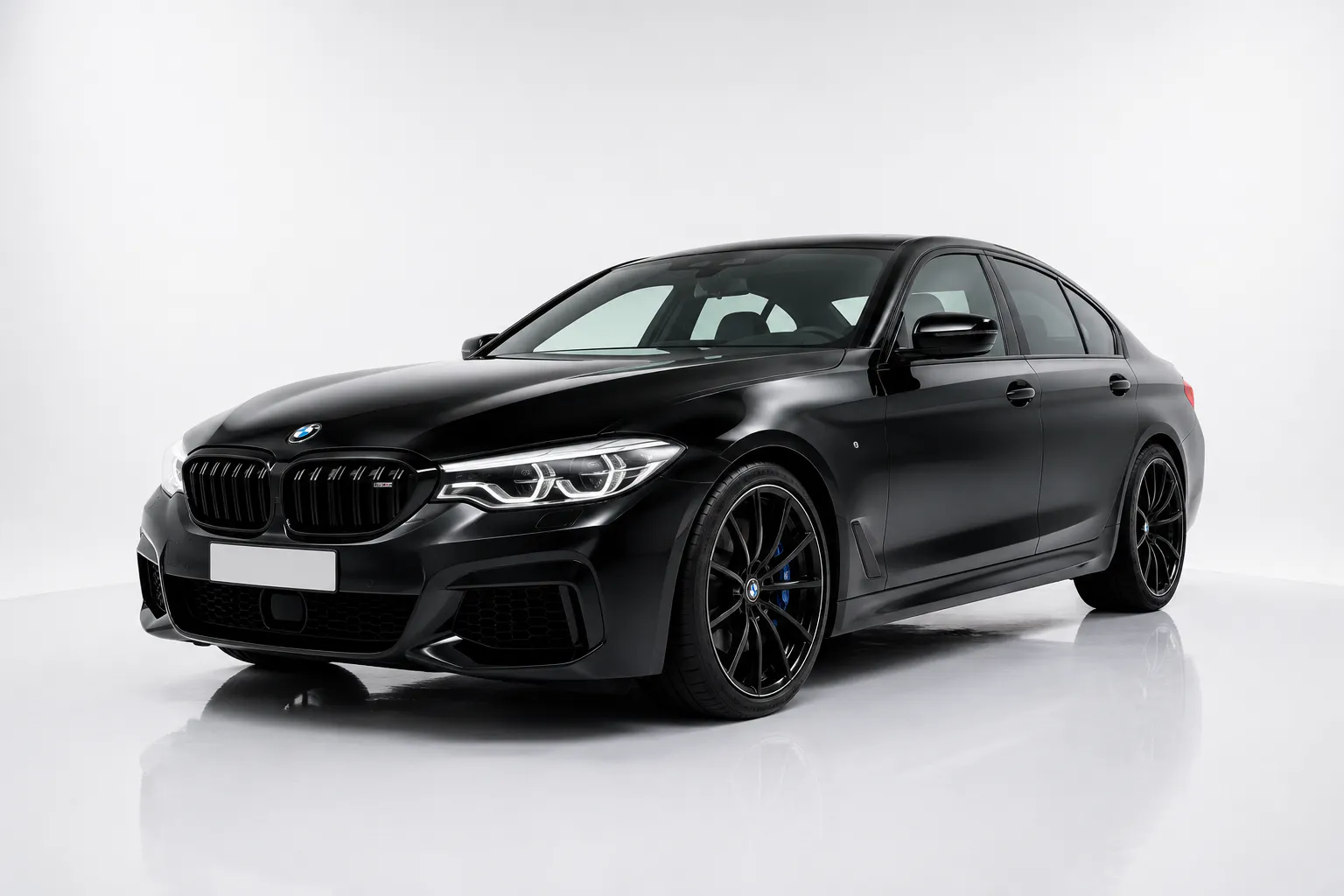
15. Minimalist Studio Car Photography
Studio-style automotive photography has become extremely popular across ecommerce platforms and dealership websites because it removes distractions and keeps focus entirely on the vehicle.
Clean studio compositions emphasize:
- paint finish
- body contours
- wheel design
- proportions
- reflections
Traditional studio shoots can be expensive and time-consuming, but AI-powered editing tools now make this style much more accessible.
With Blend, creators and dealerships can remove cluttered backgrounds, generate clean studio environments, improve lighting, and enhance reflections within minutes.
How Blend Helps You Create Professional Car Photography
Capturing strong angles is only part of the process. Editing is where automotive images truly become polished and commercial-ready.
Blend simplifies automotive editing with AI-powered tools designed for dealerships, content creators, ecommerce sellers, and automotive businesses. Instead of manually retouching every photo, you can instantly:
- Remove distracting objects with Magic Eraser
- Replace messy backgrounds with AI Backgrounds
- Create studio-style visuals with Lifestyle Shots
- Improve reflections
- Enhance lighting
- Batch edit large image sets
This makes professional car photography dramatically faster and more accessible, even for creators using smartphones.
Conclusion
The best car photography angles don’t just showcase vehicles. They create emotion. The next time you photograph a car, don’t just stand still and shoot. Move around it and play with the camera. Once you are done with taking pictures, head over to Blend and edit them with their AI-powered features.