



OpenAI's image generation tools (GPT Image, formerly DALL-E) can produce stunning visuals from a text prompt. Blend is built specifically to turn your existing product photos into marketplace-ready images. Both use AI. Both produce professional-looking results. But they solve fundamentally different problems, and using the wrong one for the wrong task costs you time, money, and conversions. One is a general-purpose AI image generator. The other is a purpose-built AI image editing and visual production platform for e-commerce.
The distinction matters more than most sellers realize. Product images where the item looks even slightly different from what ships are one of the biggest drivers of returns in e-commerce. Industry research consistently shows that around 22% of product returns happen because the item looks different in person than it did online. Choosing the right tool for the right job is not a preference. For product-based businesses, accuracy is revenue.
The Core Difference
The difference between Blend and OpenAI for product photography comes down to one question. Are you working from an actual product photo, or generating an image from a description?
Blend Starts from Your Actual Product Photo
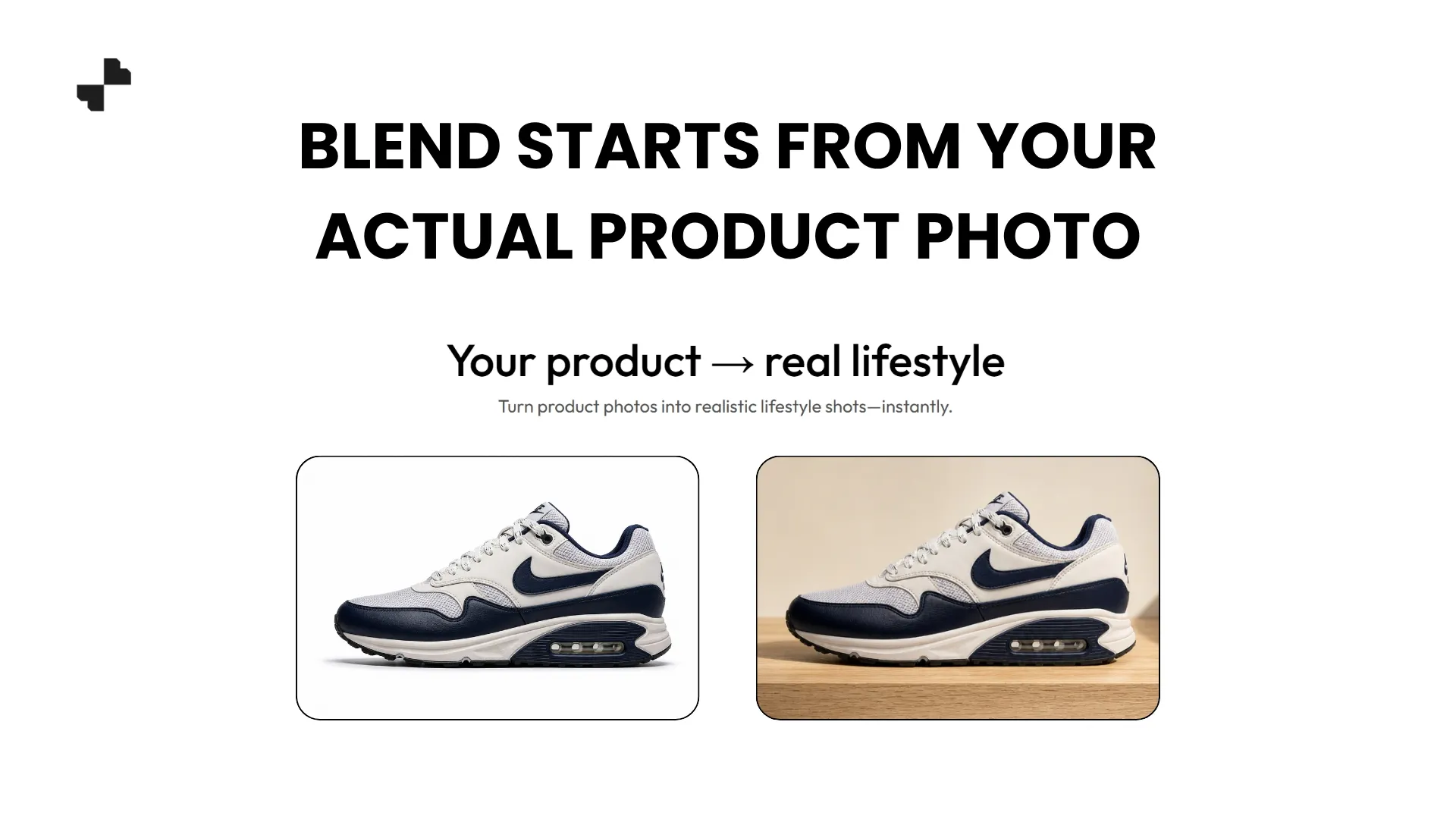
Blend is a product photography AI platform built for e-commerce. You upload a real photo of your product, and Blend's AI modifies the environment around it while preserving the product exactly as photographed. Every pixel of your product, including the label, the stitching, the color, and the texture, stays untouched. The AI only generates the background, the lifestyle scene, or the model wearing it.
That product preservation matters. When a shopper sees your listing image and then receives the product, the two should match. Blend ensures they do because it never alters the product itself.
OpenAI Generates from a Text Description
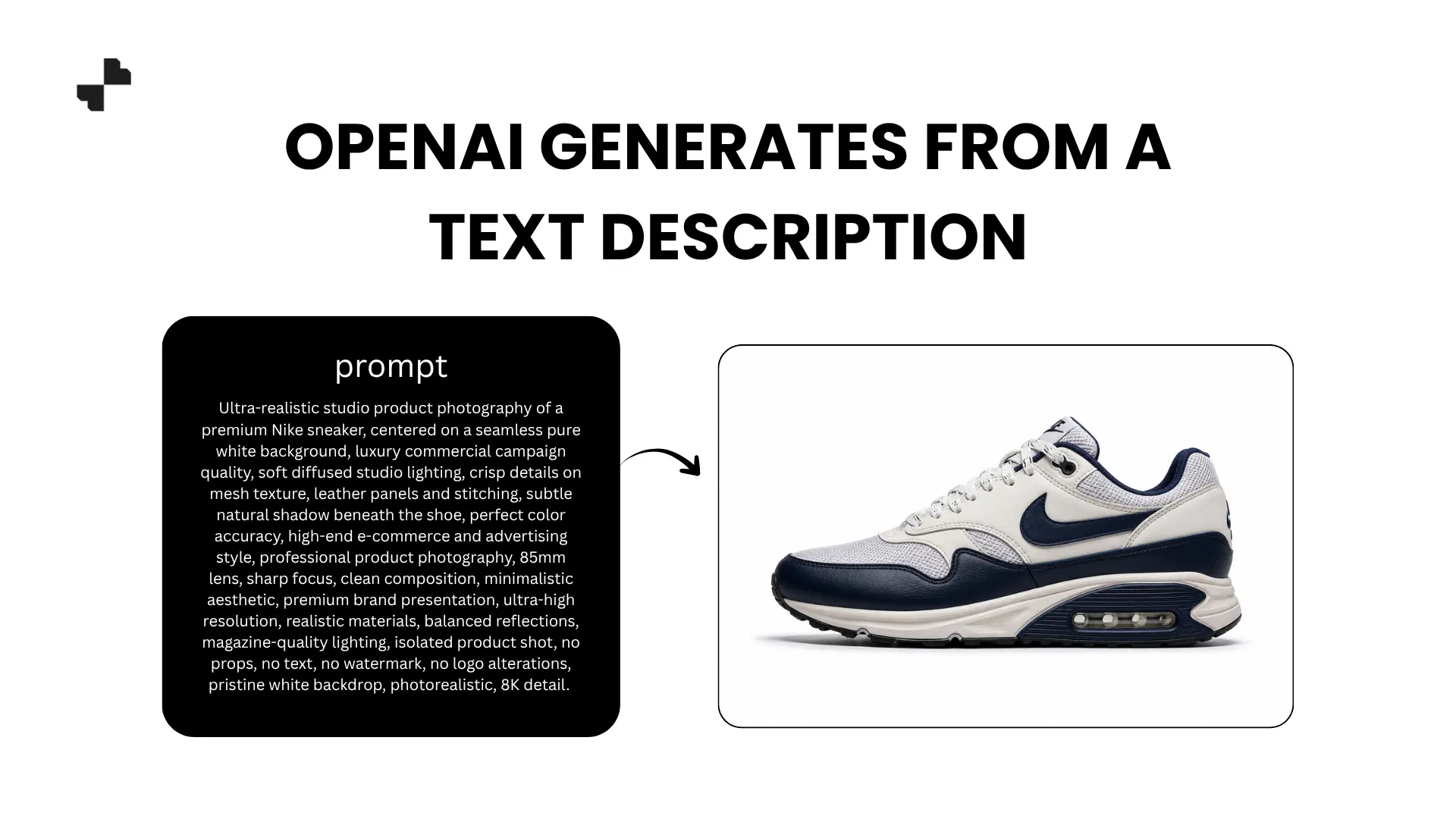
OpenAI's image tools (GPT Image 2 and the legacy DALL-E models) are general-purpose AI image generators. You describe what you want in text, and the AI generates a new image from scratch. Even when you upload a reference photo, the AI interprets and recreates the product rather than preserving it pixel-for-pixel.
That approach produces impressive creative output. But for e-commerce product photos, "interpretation" is the problem. A slightly different shade of blue, a logo that renders imprecisely, or a fabric texture that looks smoother than reality, those are not minor issues when the image is supposed to represent something a customer is buying.
Where Blend Wins for Ecommerce Product Photos
For listing images, catalog pages, and any visual that represents a product a customer will receive, purpose-built ecommerce tools consistently outperform general generators.
Product Accuracy That Protects Your Margins
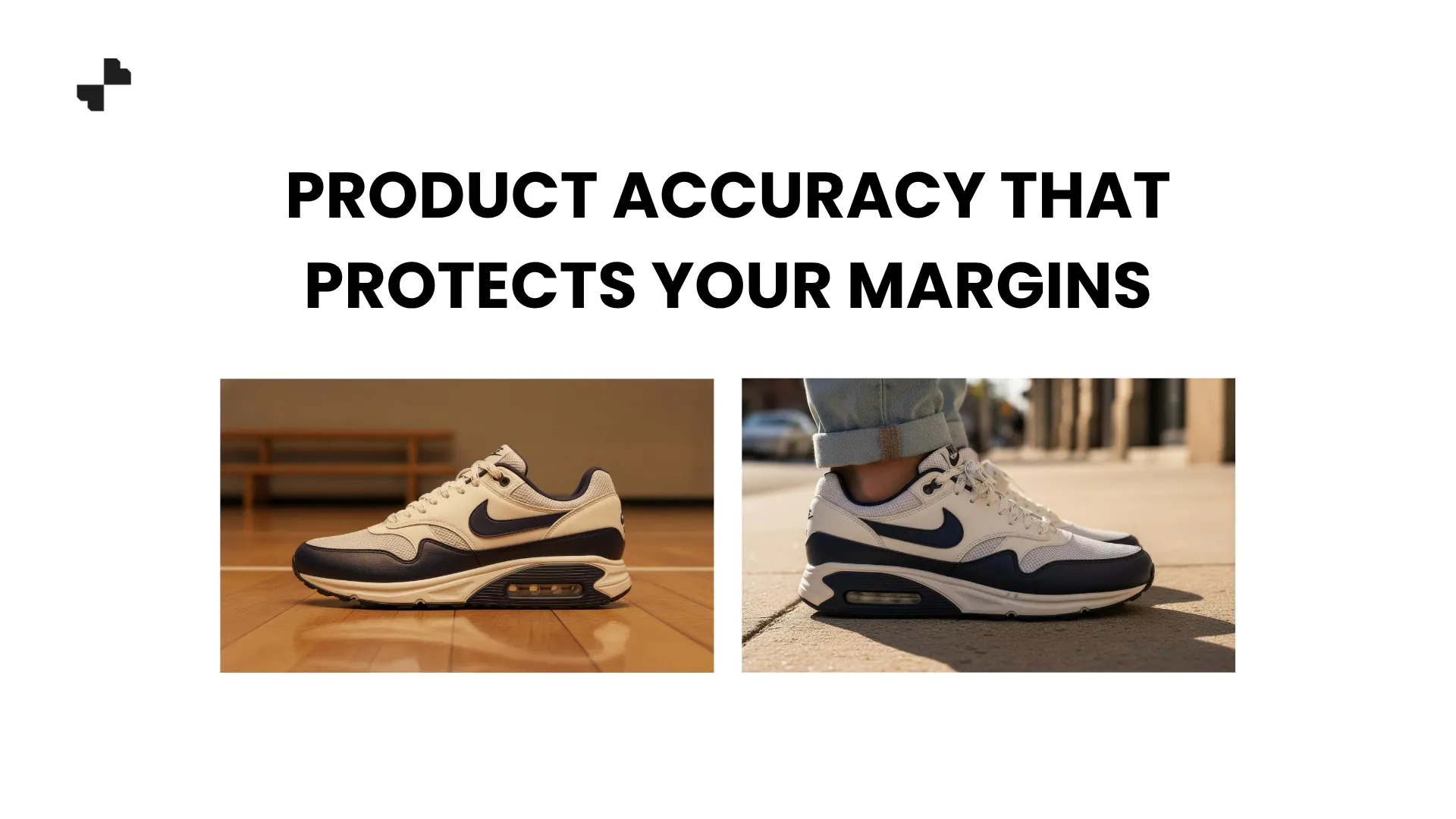
Purpose-built ecommerce photography tools tend to achieve higher color accuracy than general AI generators. When your product photos are accurate, customers know what they are getting. When they are not, returns increase, and reviews suffer.
Blend preserves your product as-is and generates everything else around it. The lifestyle scene generator places your real product into styled environments. At every step, the product itself remains unchanged.
OpenAI's tools reinterpret the product, which can introduce subtle shifts in color, texture, and proportions. For categories like fashion, cosmetics, and electronics, where visual accuracy drives purchase confidence, those shifts are costly.
Catalog Consistency Without the Prompt Engineering
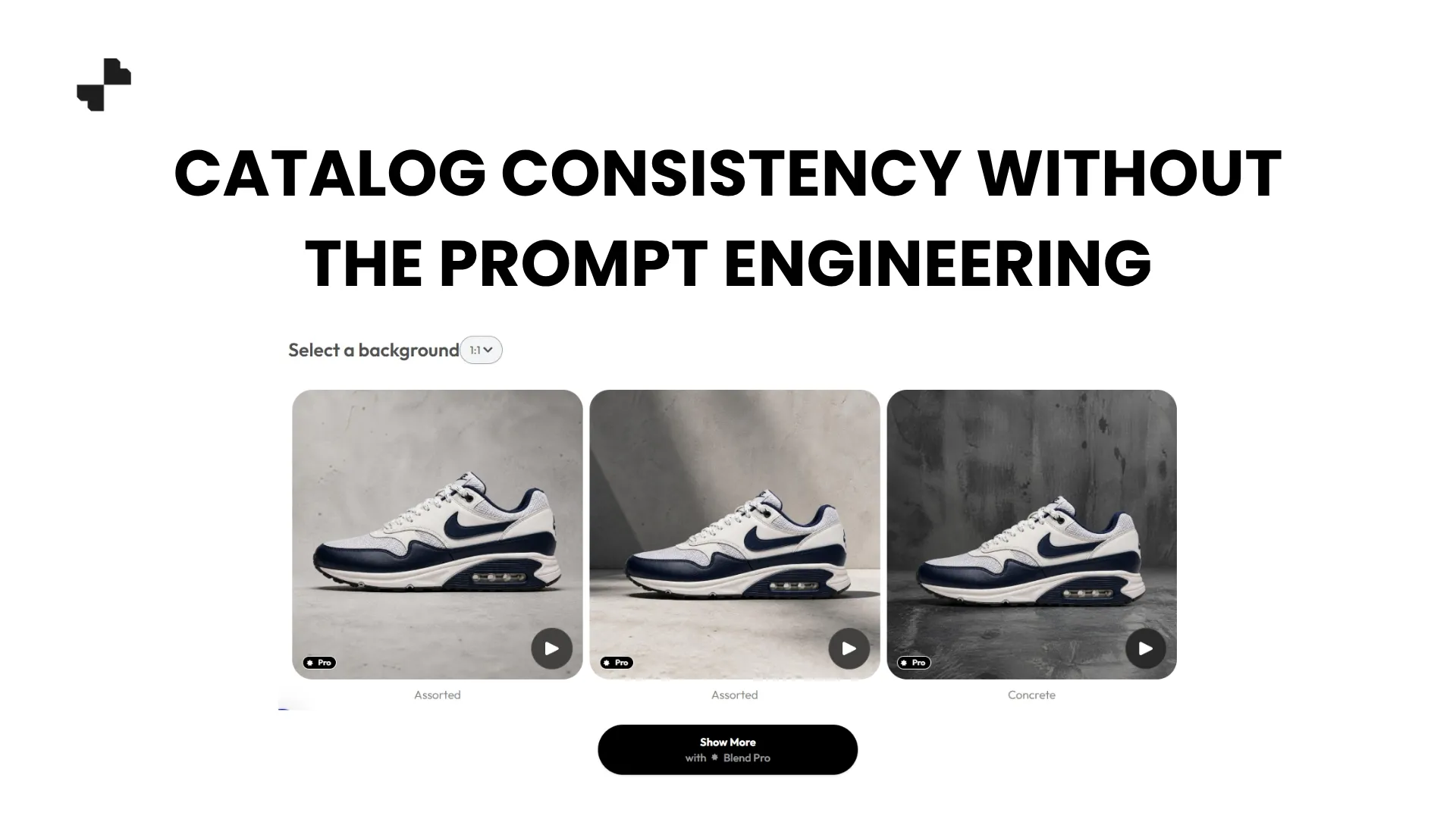
General-purpose generators treat each prompt independently. Generating 50 consistent product images with OpenAI can require hours of prompt refinement, with results that still drift in lighting and color between generations.
Blend solves this by design. Apply the same background, lighting, and shadow settings across every product, and the output stays uniform. For sellers managing 100+ SKUs, that consistency is what makes a collection page look like a brand. What takes hours in ChatGPT takes minutes in a dedicated e-commerce image editing tool.
Five Things Blend Does That OpenAI Cannot
OpenAI generates images. Blend runs an entire e-commerce visual workflow. Here are five specific capabilities where OpenAI has no equivalent:
1. One-tap background removal from your actual photo. Upload a product image and Blend strips the background in seconds, leaving a clean cutout ready for any use. OpenAI cannot remove or edit the background of an existing photo. You would need a completely separate tool before you even start.
2. Virtual try-on with your real garment. Blend's AI model feature takes a flat-lay or mannequin photo of your actual clothing item and places it on a realistic model, preserving every stitch, print, and color. OpenAI generates a model wearing an interpreted version of the garment, meaning fabric details, logos, and colors can shift between the prompt and the output.
3. Product video from a still image. Blend generates short-form product videos from your existing product photo, including slow pans, rotations, and scene transitions, ready for Reels, TikTok, and marketplace ads. OpenAI does not generate video at all.
4. Product-level cleanup on your actual image. Blend's eraser tool removes dust, scuffs, and imperfections from your real product photo while preserving surrounding texture. OpenAI cannot edit specific areas of an existing product image with that level of precision.
5. Marketplace-compliant output in one step. Blend generates white-background images that meet Amazon, Shopify, and Etsy listing requirements, and formats outputs for each platform's specs. OpenAI has no awareness of marketplace image guidelines.
With Blend, one upload produces a listing image, a lifestyle scene, a model shot, and a product video. With OpenAI, image generation is one step, and everything else requires separate tools.
The Practical Decision Framework
Ask one question: Will a customer use this image to decide whether to buy a specific product?
Use Blend for Anything That Represents Your Product
Marketplace listings, product detail pages, collection pages, shopping ads, and product-specific social posts all need ecommerce photography tools that preserve the real product. Industry benchmarks suggest professional product visuals can lift conversion rates by up to 40% compared to basic shots. Protecting that lift requires images that match reality.
Use OpenAI for Creative Work Beyond Specific Products
Mood boards, campaign concepting, brand aesthetic exploration, and social graphics where the visual supports a feeling rather than depicts a purchasable item. The best approach for most e-commerce brands is to use both, but never interchangeably. Blend for production product images. OpenAI for creative ideation.
The Right Tool for the Right Job
OpenAI builds impressive AI-generated images from descriptions. Blend builds listing-ready product visuals from your actual product photos. For e-commerce sellers, the production workflow, listing images, lifestyle scenes, model shots, and product videos belong in a purpose-built platform. Blend handles that full pipeline in one place. Upload a product photo and see the difference accuracy makes.
Frequently Asked Questions
Can OpenAI replace dedicated product photography tools for e-commerce?
For listing images where product accuracy matters, no. OpenAI generates new images rather than preserving your actual product, which introduces color, texture, and detail variations that can increase returns.
Is OpenAI's image quality good enough for product listings?
The visual quality is impressive, but the accuracy is the issue. A beautiful image that slightly misrepresents your product is worse for conversions than an accurate image with less creative flair.
Can I use both Blend and OpenAI in my workflow?
Yes. Use Blend for any image that represents a specific product (listings, ads, product pages). Use OpenAI for creative work that does not need to depict the exact item a customer will receive (mood boards, brand concepts, blog graphics).
Does Blend work with OpenAI's models internally?
Blend uses its own AI pipeline built specifically for e-commerce product photography, focused on preserving product accuracy while generating backgrounds, scenes, and model shots.
Which tool is more cost-effective for product photography?
Blend is more cost-effective for production product images because one upload produces multiple output types (listing image, lifestyle scene, video) in one workflow. OpenAI requires separate tools for formatting, resizing, and video creation.
What about Midjourney or Stable Diffusion vs Blend?
The same principle applies. General-purpose AI generators are strong for creative work but lack the product preservation and ecommerce workflow features that purpose-built tools like Blend provide for production catalog images.