



Every product photo you upload to Amazon, Shopify, or Etsy gets evaluated twice. Once by the platform's algorithm, which decides where your listing appears in search results. And once by the buyer, who decides in under two seconds whether to click or keep scrolling. Most sellers optimize for one audience and ignore the other.
The algorithm cares about technical signals: resolution, file size, background compliance, and how quickly the image loads. The buyer cares about entirely different things: does the product look real, can they imagine owning it, and does the listing feel trustworthy? The sellers who win on both fronts are the ones whose product photos rank higher, get more clicks, and convert at a higher rate. Here is how both systems actually work and how to build high-converting product images that satisfy both.
How Platform Algorithms Read Your Product Photos

When you upload an image to a marketplace, the platform does not just store a file. AI systems analyze the image before it ever appears in a search result.
Image Quality Signals That Affect Search Ranking
Every major e-commerce platform runs uploaded images through quality checks. Amazon's algorithm flags images that fall below minimum resolution, use non-compliant backgrounds, or include watermarks and promotional text on the hero image. Shopify's storefront themes penalize images that load slowly or display poorly on mobile. Etsy's search algorithm factors in listing quality score, which includes image clarity and variety.
The baseline technical signals that algorithms evaluate include:
- Resolution: Images below 1000x1000 pixels often rank lower or get flagged. Higher resolution supports zoom functionality, which platforms reward because it keeps buyers on the page longer.
- File size and load speed: Large, uncompressed files slow page loads. Algorithms measure load time and deprioritize slow-loading listings, especially on mobile.
- Background compliance: Amazon requires a pure white background (RGB 255,255,255) for the main listing image. Non-compliant images may get suppressed from search entirely.
- Image count: Listings with more images tend to rank higher. Platforms interpret multiple angles and contexts as a signal of listing completeness.
Engagement Metrics That Feed the Algorithm
After the technical checks, algorithms watch how real buyers interact with your photos. Click-through rate (CTR) from search results is one of the strongest ranking signals on Amazon and Etsy. If your thumbnail gets clicked more often than competing listings, the algorithm surfaces you higher. If buyers click through and then immediately bounce, the algorithm reads that as a mismatch between the image and the product.
Time on page, scroll depth through your image gallery, and conversion rate all feed back into how prominently the platform displays your listing. Stronger product photos create a compounding loop: better images lead to more clicks, more clicks improve ranking, higher ranking drives more traffic, and more traffic generates more conversions.
What Makes a Product Photo Convert
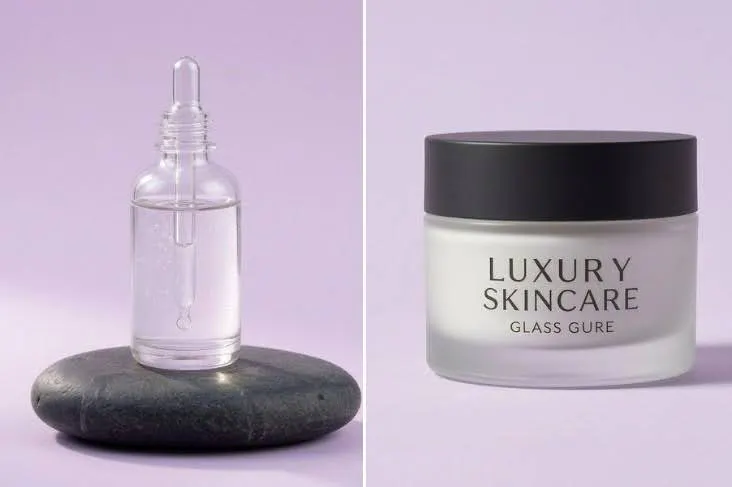
Technical compliance gets your image past the algorithm. Visual quality is what gets the buyer to add to cart.
Clean Backgrounds Build Trust at the Thumbnail Level
A product on a clean white background is the universal starting point for e-commerce product photography. At the thumbnail level (where most buying decisions begin), a clean background lets the product stand out clearly from the search grid. Cluttered, dark, or inconsistent backgrounds make the listing look unprofessional before the buyer even reads the title.
Use background removal to isolate your product cleanly, then generate a white-background studio shot for your hero image. Clean up any remaining dust, tags, or imperfections with the magic eraser.
Lifestyle and On-Model Shots Keep Buyers on the Page
Once a buyer clicks into your listing, the goal shifts from grabbing attention to holding it. Lifestyle images (products placed in real-world environments) and on-model shots (apparel and accessories shown on a person) both increase time on page and reduce bounce rate. Marketplace data consistently shows that listings with lifestyle product photography see higher engagement than those using only white-background images.
For apparel and accessories, on-model product shots help buyers assess fit, scale, and styling context, all of which reduce the uncertainty that causes cart abandonment.
Multiple Angles Reduce Purchase Hesitation
Buyers who cannot fully see a product do not buy it. A single-angle listing forces the buyer to guess what the back, top, or interior looks like, and most will not take that risk. Research consistently points to "inability to see product details" as one of the top reasons buyers abandon ecommerce purchases.
Fill every available image slot with a distinct angle or context:
- Hero shot on white (algorithm compliance)
- Lifestyle scene (emotional connection)
- On-model or in-use shot (fit, scale, and context)
- Detail close-up (material quality and craftsmanship)
- Scale or size reference (practical information)
- Infographic or feature callout (key selling points)
How to Optimize Product Photos for Both Algorithms and Buyers

Knowing what algorithms and buyers look for is one thing. Building a workflow that delivers it across an entire catalog is another.
Start with Technical Compliance
Before worrying about creative direction, make sure every image in your catalog meets the baseline requirements of your selling platform. Resolution at or above 1600x1600 pixels (Amazon recommends 2000x2000). Pure white background on the main image. No watermarks, logos, or text overlays on the hero shot. Compressed for web without visible quality loss. Getting these right ensures the algorithm does not penalize you before a buyer ever sees the listing.
Add Visual Variety That Drives Engagement
After the hero image, every additional photo in your gallery should answer a different question the buyer has. A lifestyle scene answers "What does this look like in my home?" An on-model shot answers "how does this fit?" A detailed close-up answers "Is this well-made?" An infographic answers "What are the exact dimensions?" Cover all of these, and you reduce the reasons a buyer has to leave without purchasing.
Use AI to Produce High-Converting Visuals at Scale
Creating 5-7 unique images per product is the standard, but doing that manually across hundreds of SKUs is not realistic for most sellers. AI tools like Blend let you upload one product photo and generate studio shots, lifestyle scenes, on-model imagery, and short-form product videos from a single image. The result is a complete, algorithm-friendly, conversion-optimized image set for every product in your catalog, produced in minutes instead of weeks.
Your Photos Are Your Ranking Signal and Your Sales Pitch
Platform algorithms and human buyers evaluate your product photos through different lenses, but they reward the same thing: clear, complete, high-quality imagery that helps someone make a confident purchase decision. Technical compliance gets your listing into search results. Visual quality and variety keep buyers engaged long enough to convert.
Upload your product photos to Blend, generate the full image set every listing needs, and give both the algorithm and the buyer exactly what they are looking for.
Ready to optimize your product visuals? Start creating for free with Blend and build image sets that rank higher and convert faster.
Frequently Asked Questions
How do marketplace algorithms evaluate product photos?
Algorithms assess technical signals like resolution, file size, load speed, and background compliance. After the listing goes live, engagement metrics like CTR, time on page, and conversion rate feed back into how prominently the algorithm surfaces the listing.
Do more product images improve search ranking?
Generally, yes. Platforms interpret a higher image count as a signal of listing completeness and quality. Listings with 5-7 varied images (hero, lifestyle, detail, scale) tend to rank higher than those with 1-2 images.
What is the minimum image resolution for Amazon listings?
Amazon recommends at least 1600x1600 pixels, with 2000x2000 preferred for optimal zoom functionality. Images below 1000x1000 may trigger quality warnings or suppression from search results.
Do lifestyle photos actually improve conversion rates?
Yes. Marketplace data consistently shows that listings with lifestyle and in-context imagery see higher click-through rates and longer time on page compared to listings using only white-background shots.
How many images should each product listing have?
Fill every available slot the platform provides. Amazon allows up to 9, Etsy allows 10. A strong set includes a white-background hero, a lifestyle scene, an on-model or in-use shot, a detail close-up, and a scale reference at a minimum.
Can AI-generated product images meet platform compliance requirements?
Yes. AI tools like Blend produce images that meet marketplace technical requirements for resolution, background color, and file format. The hero image should always be a clean white-background shot, with lifestyle and model shots used as secondary images.